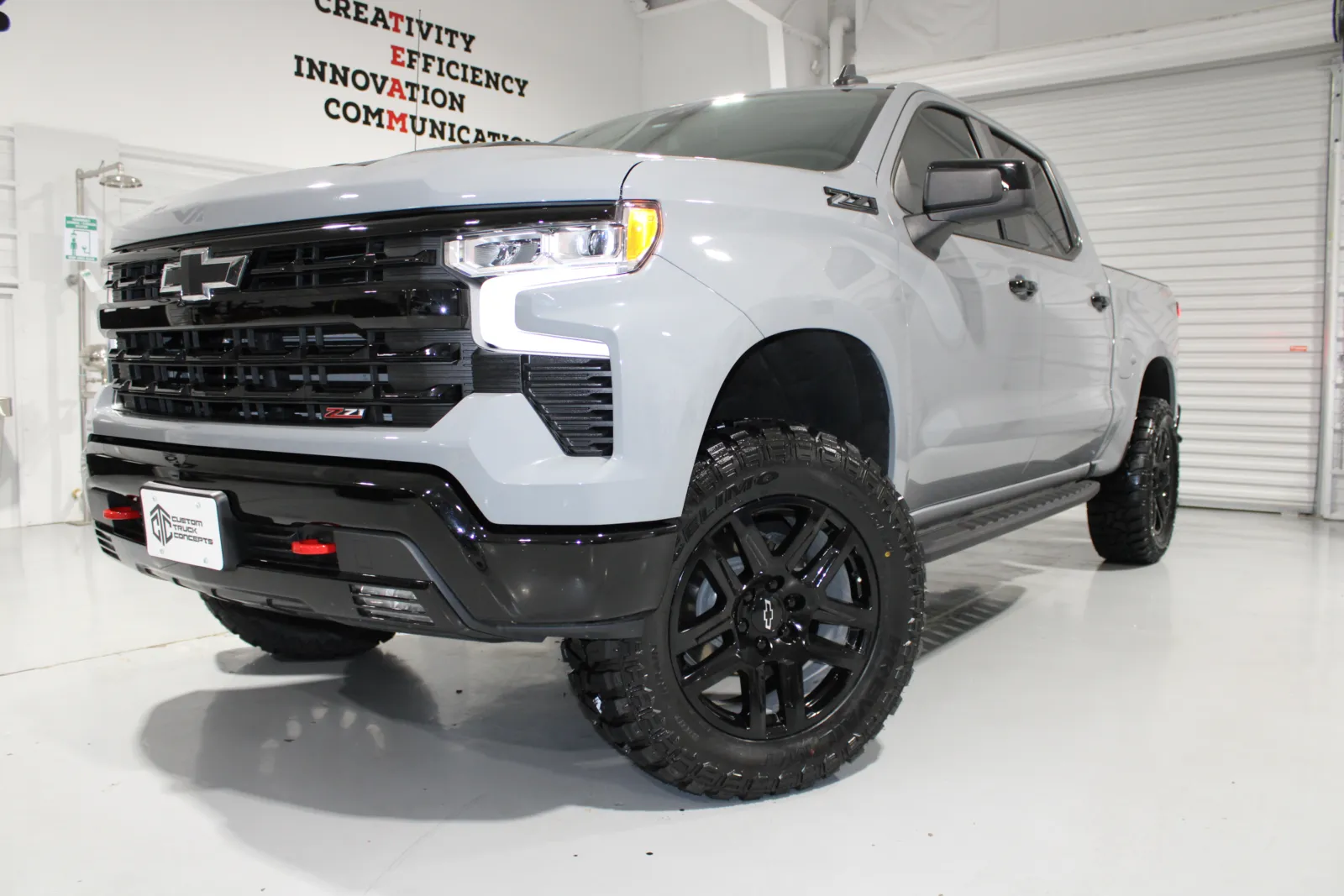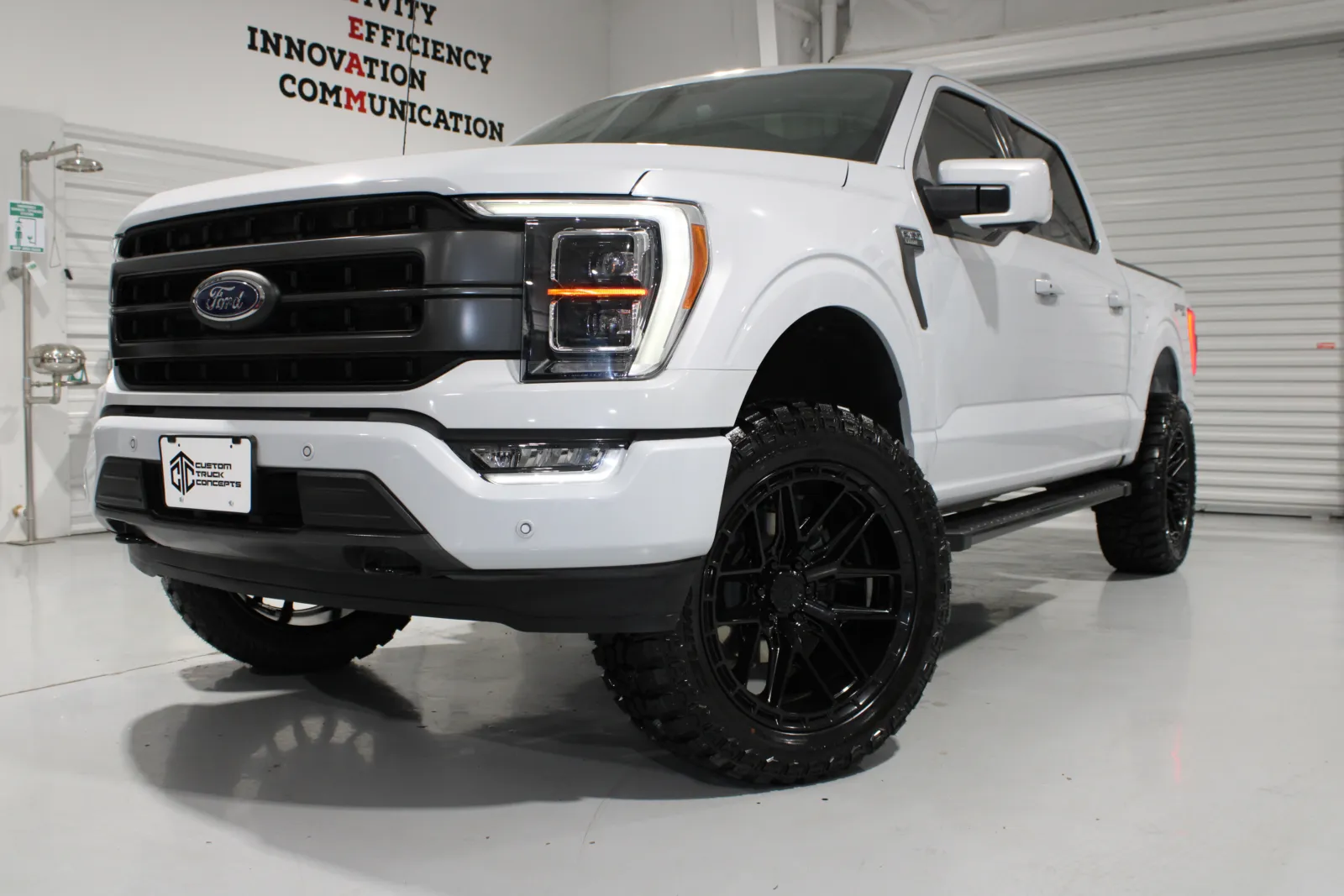
What Does a Leveling Kit Do?
Table of Contents
- Understanding Factory Rake
- How a Leveling Kit Works
- The Benefits of Installing a Leveling Kit
- Increased Front Ground Clearance
- Accommodation for Larger Tires
- Preserved Factory Ride Quality and Towing
- Leveling Kits vs. Lift Kits: What Is the Difference?
- Key Maintenance Considerations
- Immediate Professional Alignment
- Headlight Re-aiming
- Start Your Custom Build in Hattiesburg, MS
- Frequently Asked Questions
- Will a leveling kit void my vehicle warranty?
- Does a leveling kit change fuel economy?
- Can I install a leveling kit myself?
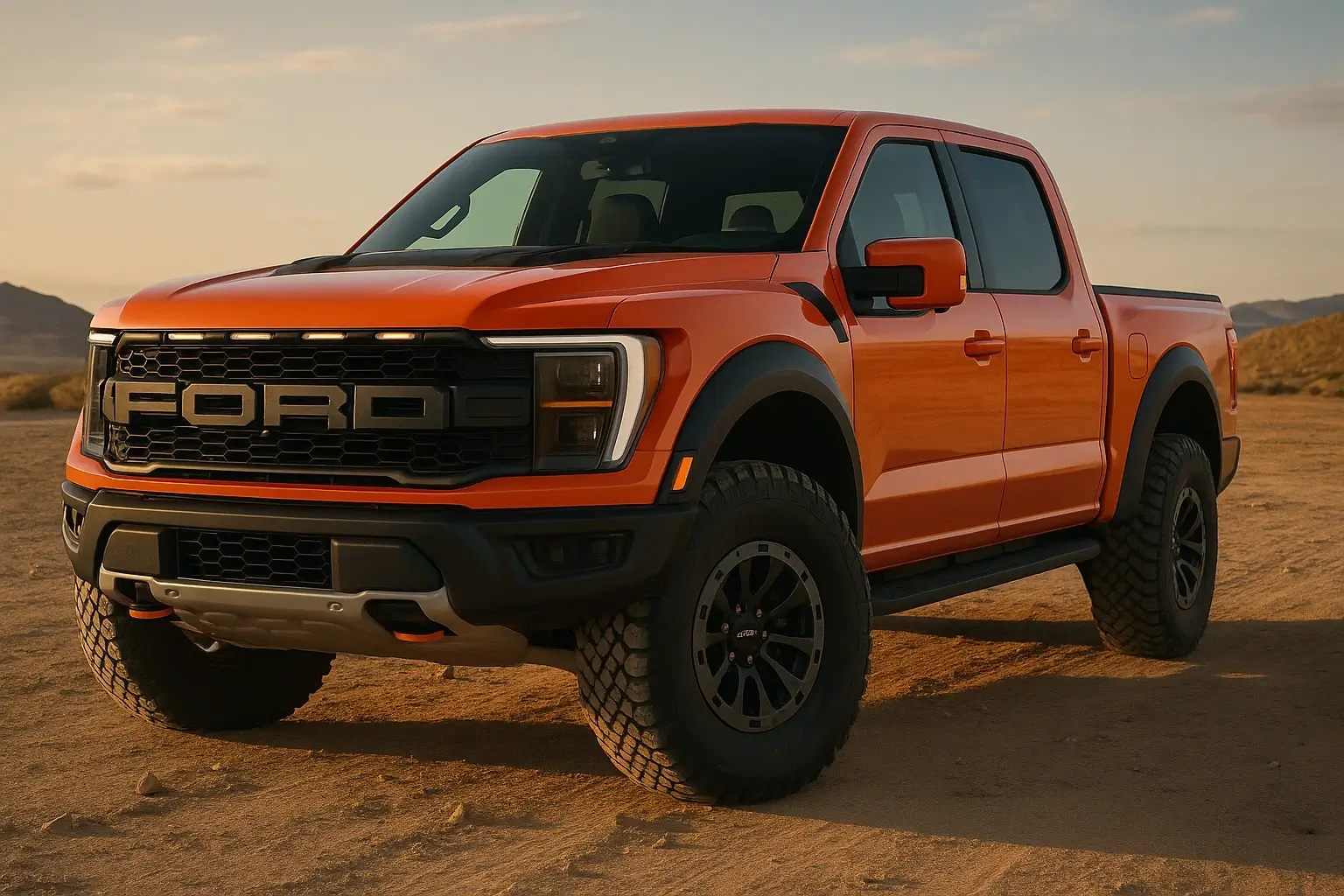
If you look closely at your stock pickup truck or SUV while it is parked on a flat surface, you will likely notice that the rear end sits slightly higher than the front. This uneven stance is a deliberate design choice by automotive manufacturers known as rake. While factory rake serves a functional purpose when hauling heavy payloads, many drivers prefer a symmetrical profile.
If you want to eliminate this sloping appearance, a leveling kit is the exact modification you need. Understanding how these components alter the stance, utility, and driving dynamics of your truck will help you decide if it is the right upgrade for your vehicle.
Understanding Factory Rake
Automotive manufacturers design full-size pickups and SUVs with a higher rear suspension to compensate for future cargo weight. When you fill the truck bed with equipment or hitch up a heavy trailer, the rear springs compress under the load. This compression brings the truck down to a balanced position.
If a truck sat perfectly level from the factory, adding a heavy payload would cause the rear end to sag below the front. This reverse rake, often called squatting, compromises your driving safety by shifting weight away from the front tires, which reduces steering control, alters braking efficiency, and aims your headlights directly into the eyes of oncoming drivers.
However, if you rarely carry maximum weight capacities or tow heavy equipment through the Pine Belt, that factory rake remains permanently visible. For drivers who use their vehicles primarily as daily drivers or light-duty trail riders, a leveling kit offers an effective way to normalize the stance.
How a Leveling Kit Works
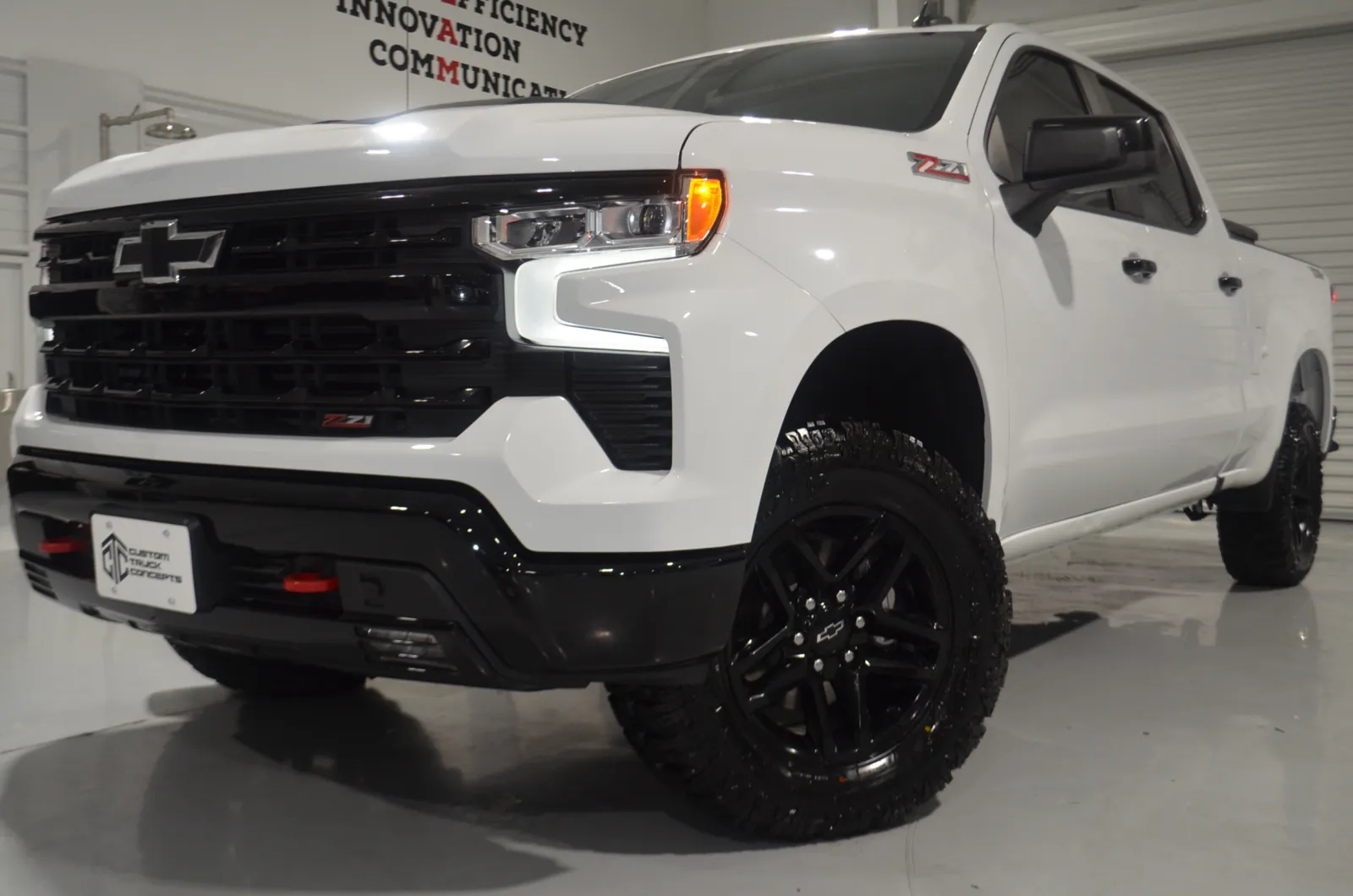
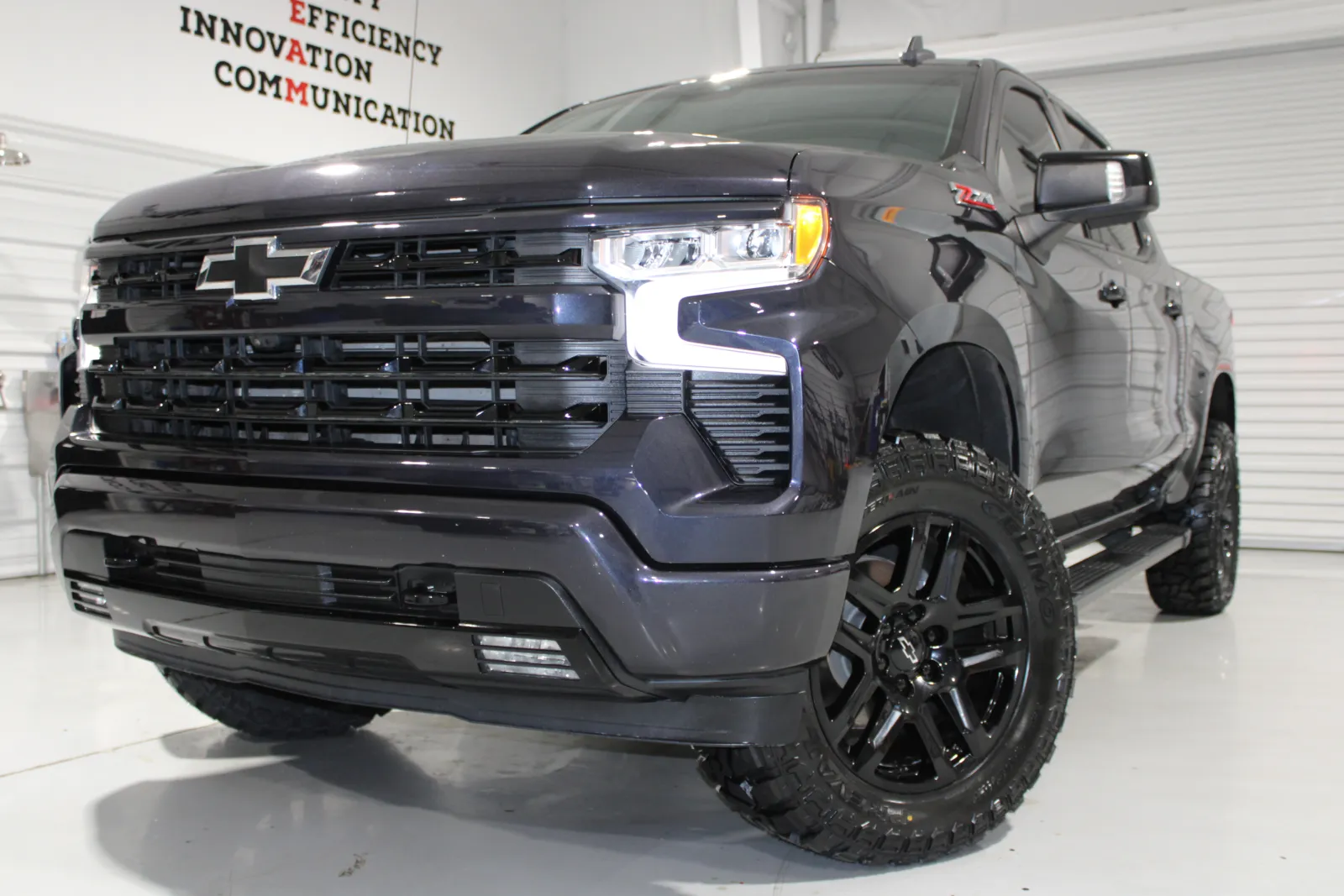
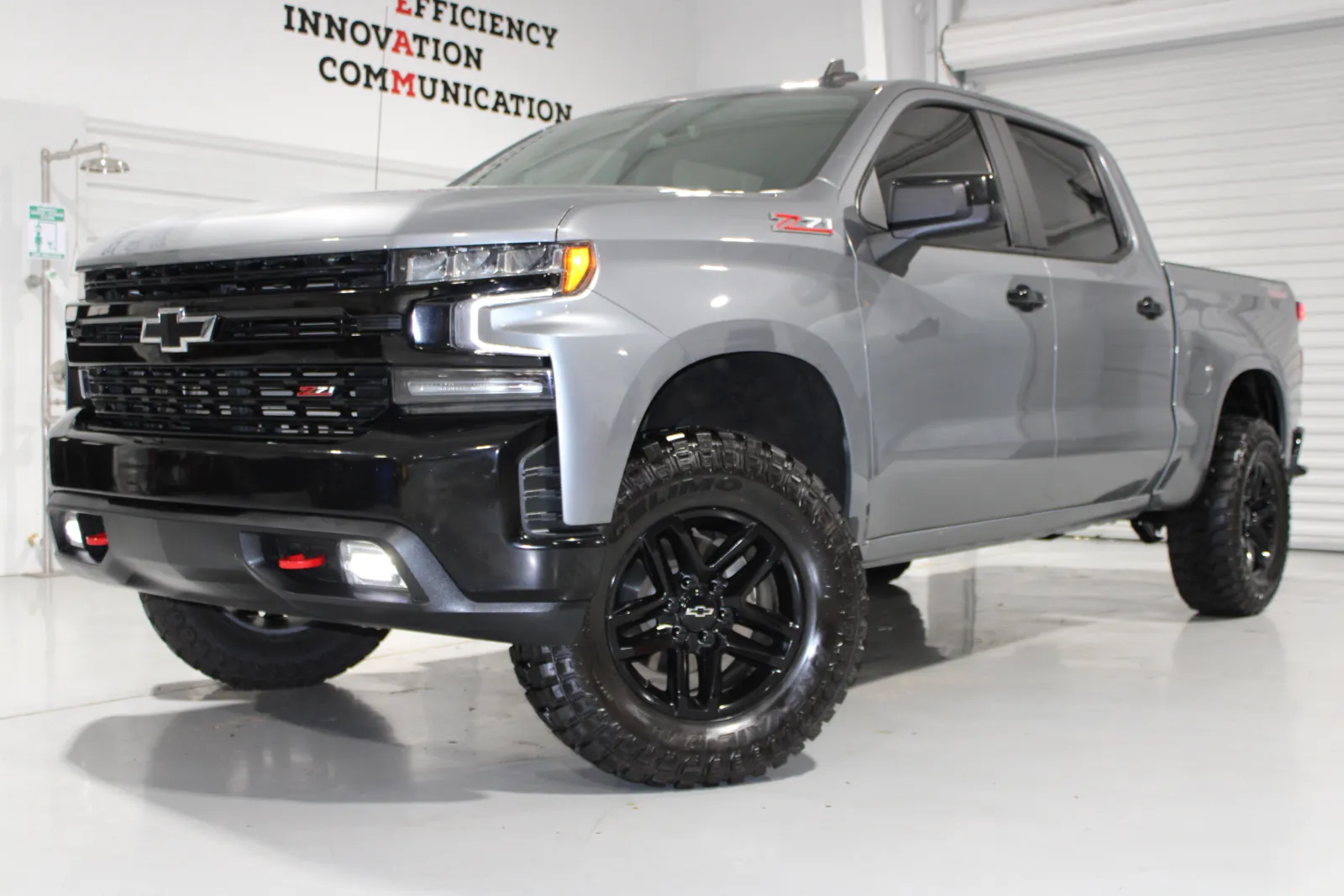
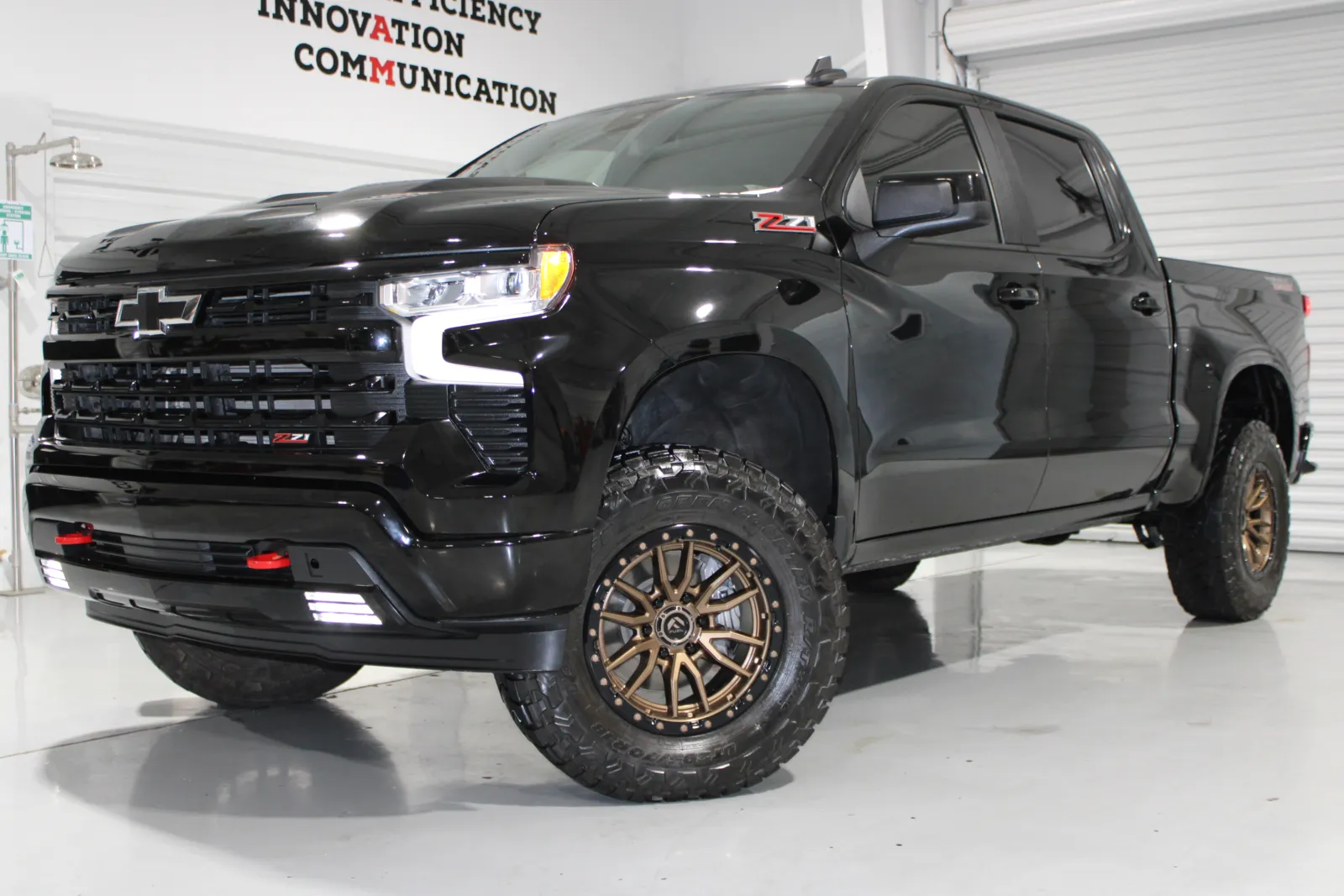
A leveling kit is a specialized suspension modification engineered to raise the front end of a truck or SUV to match the height of the factory rear suspension. Unlike full suspension lift kits that elevate the entire vehicle by several inches, a leveling kit focuses solely on the front axle, typically providing between 1 to 2.5 inches of lift.
The exact components required depend heavily on your specific vehicle architecture:
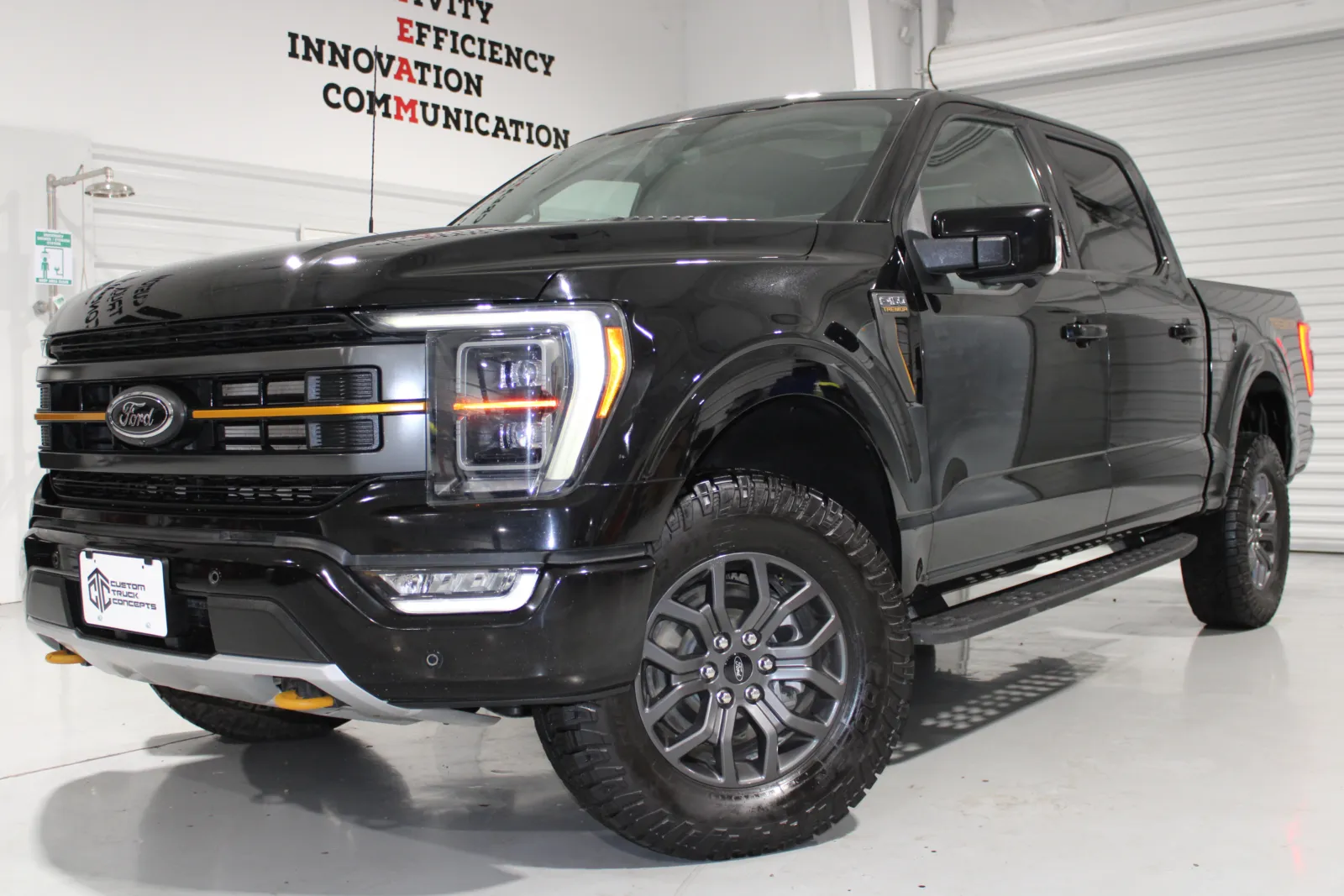
- Strut Spacers: Common on modern half-ton trucks like the Ford F-150 or Chevrolet Silverado 1500, these durable spacers bolt directly on top of the factory strut assembly, shifting the entire unit downward to lift the chassis.
- Torsion Keys: Older trucks or heavy-duty models utilizing torsion bar front suspensions require replacement keys. These aftermarket keys are indexed differently than factory components, allowing our technicians to safely adjust the clocking of the bar to lift the front suspension.
- Coil Spacers / Polyurethane Spacers: Vehicles equipped with traditional front coil springs can utilize heavy-duty spacers inserted at the top or bottom of the spring seat to yield the desired height increase.
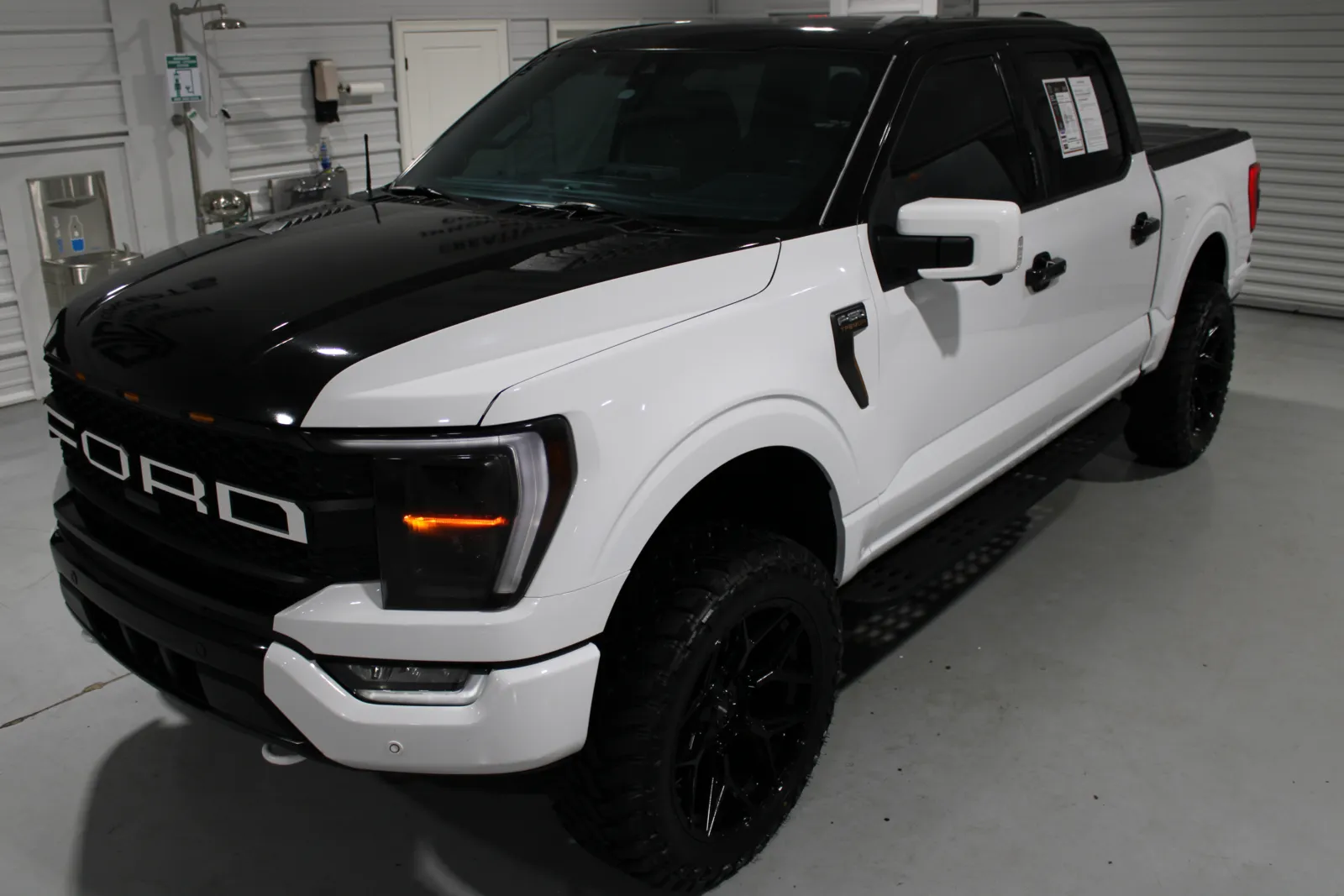
By selectively raising the front suspension, the kit brings the front bumper up just enough to create a completely flat, uniform profile from the front grille to the tailgate.
The Benefits of Installing a Leveling Kit
Beyond the obvious cosmetic improvements, adding a front leveling system provides several practical performance advantages for everyday driving conditions.
Increased Front Ground Clearance
Whether you are navigating the dense woods surrounding the DeSoto National Forest or managing uneven terrain at a local job site, factory front air dams and bumpers sit low to the ground. A front-end upgrade elevates these vulnerable components, protecting your lower valence and oil pan from unexpected stumps, rocks, or deep ruts.
Accommodation for Larger Tires
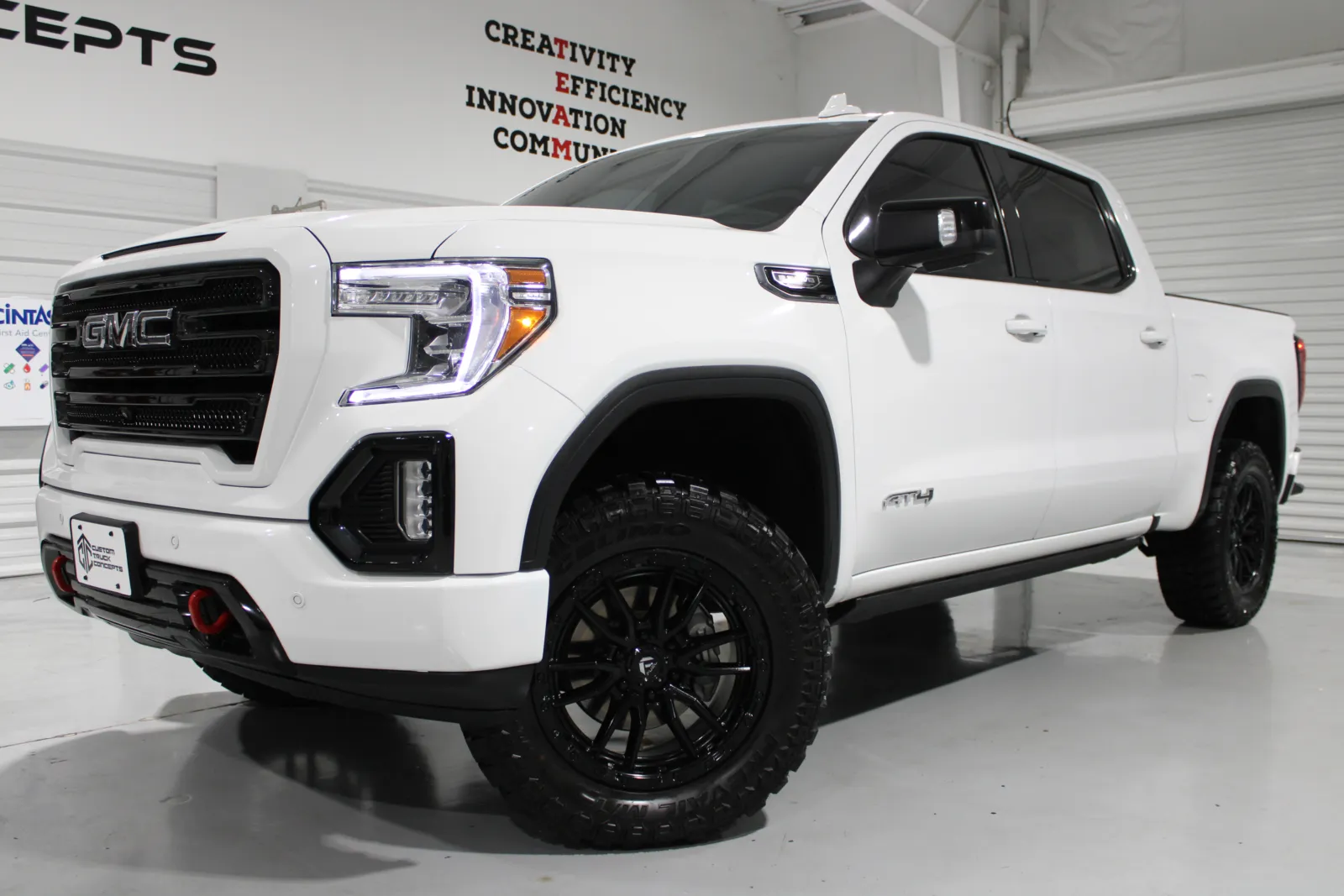
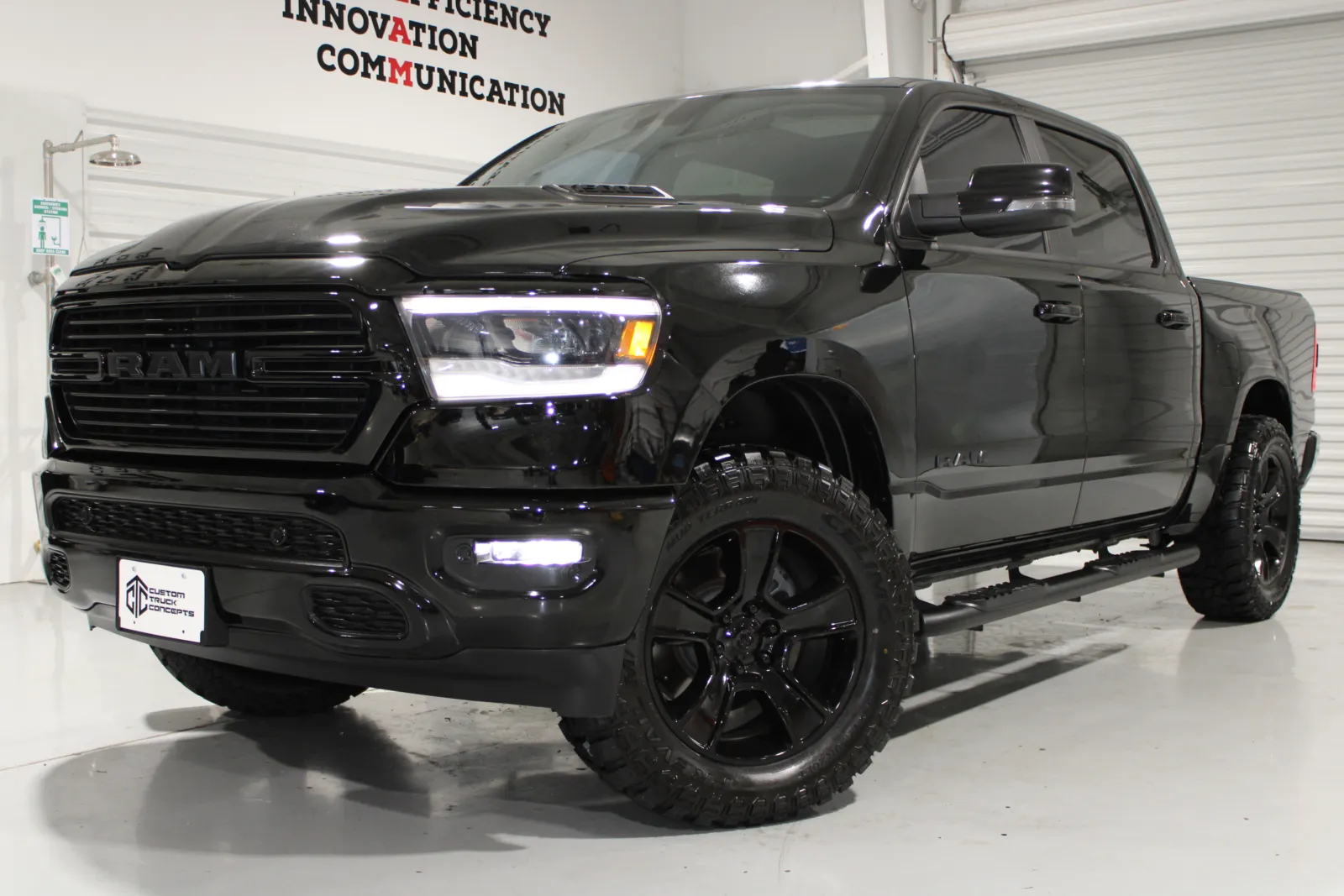
One of the most popular reasons to level a truck is to clear larger, more aggressive rubber without dealing with tire rub. The factory front wheel wells on a stock RAM 1500 or GMC Sierra 1500 are often constrained by the lower factory ride height. Bringing the front up creates the spatial clearance required to install oversized tires, allowing you to run rugged terrain or mud-terrain setups with confidence.
Preserved Factory Ride Quality and Towing
Because a standard leveling kit leaves your factory rear leaf springs or multi-link coil systems completely untouched, your truck retains its original load-carrying characteristics. While the truck will sit slightly lower in the rear when fully loaded compared to its stock configuration, minor towing tasks or bed loads remain perfectly safe.
Leveling Kits vs. Lift Kits: What Is the Difference?
When deciding how to modify your vehicle, it is important to distinguish a front-end adjustment from a comprehensive suspension transformation.
Key Maintenance Considerations
Modifying any part of a vehicle's suspension changes the operating angles of vital steering components. To keep your truck running reliably down U.S. Highway 49, you must address two critical steps after installation.
Immediate Professional Alignment
When the front ride height changes, your vehicle's toe, camber, and caster angles are pulled out of factory specification. Driving even a few miles with uncalibrated steering geometry can cause severe tire scrubbing, accelerated tread wear, and a loose, wandering sensation at highway speeds. Whenever our technicians install a kit, a comprehensive precision alignment is performed immediately afterward to lock in proper handling.
Headlight Re-aiming
Because the nose of the vehicle is physically higher than it was when it left the factory, your headlight housings will now point upward. This shifts the focal beam away from the pavement and directly into the rearview mirrors of traffic ahead of you. Adjusting the headlight aiming screws ensures your night vision remains optimal while keeping local roads safe for your neighbors.
Start Your Custom Build in Hattiesburg, MS
Achieving the perfect stance requires precision engineering and high-quality components. At Custom Trucks Concepts, located right here in Hattiesburg, MS, we specialize in helping truck owners across the Pine Belt achieve the exact aesthetic and performance they desire.
We only utilize premium, trusted industry brands like Rough Country to ensure your vehicle maintains an excellent ride quality while handling the demanding driving conditions of Southern Mississippi. Whether you want to level out a late-model pickup or pair a front upgrade with high-performance Nitto or Toyo Tires, our team has the specialized expertise to execute the job correctly.
If you are ready to eliminate your factory rake and enhance your vehicle's presence on the road, we invite you to browse our current inventory of pre-built custom vehicles or visit our shop today. You can easily contact our team online or stop by our location to speak with an expert technician about designing your ideal custom setup.
Frequently Asked Questions
Will a leveling kit void my vehicle warranty?
The installation of an aftermarket leveling kit will not automatically void your entire vehicle warranty. Under federal regulations, a manufacturer can only deny warranty coverage on a specific failure if they can prove that the aftermarket component directly caused the damage. For example, if a factory CV axle fails due to excessive angles introduced by an improperly sized spacer, that specific repair may not be covered, but your engine and transmission warranties remain fully intact.
Does a leveling kit change fuel economy?
Raising the front end of your truck increases wind resistance under the chassis, which can result in a minor reduction in highway fuel economy. However, the most noticeable change in fuel efficiency typically occurs if you use the newly created clearance to install larger, heavier off-road tires, which increase rolling resistance.
Can I install a leveling kit myself?
While basic strut spacers can technically be installed using standard garage tools, compressing springs or adjusting torsion bars requires specialized equipment and carries safety risks. Furthermore, because an immediate professional alignment is non-negotiable to prevent severe tire wear, having the kit installed by professionals ensures the job is handled safely and precisely from start to finish.