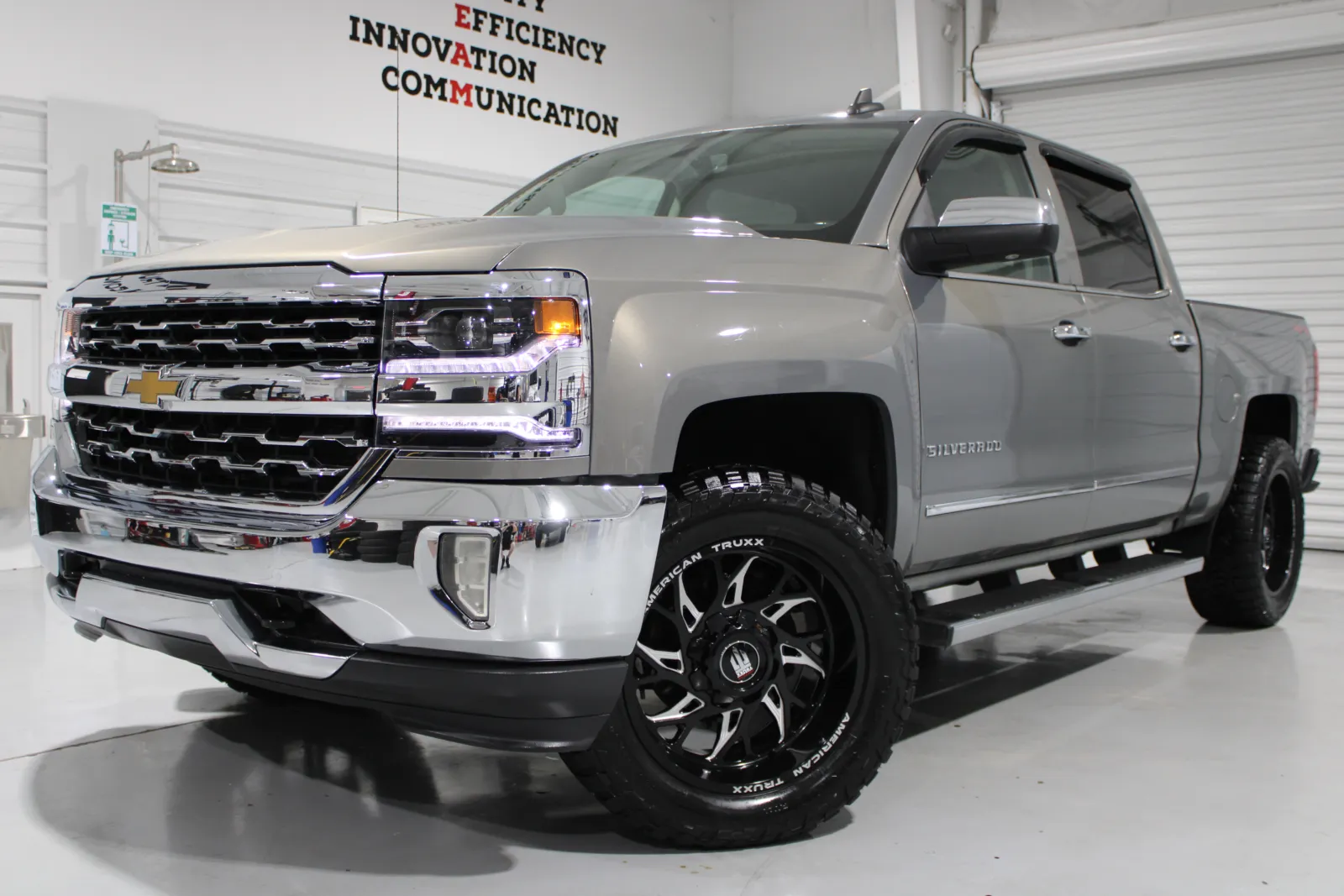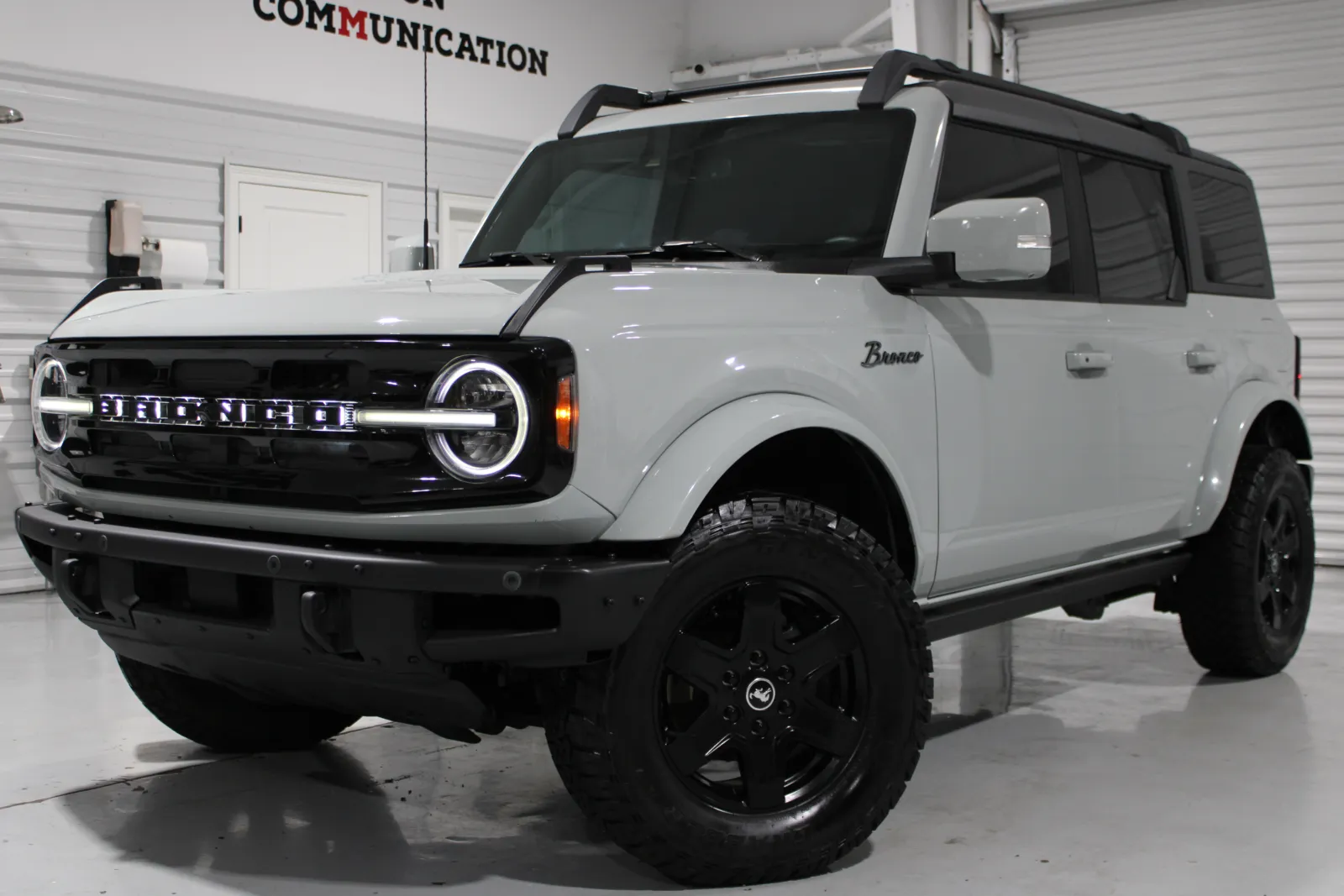
Should I Lift or Level my Truck?
When it comes to truck customization, one of the most common debates is whether to install a lift kit or a leveling kit. Both modifications can drastically change the appearance and performance of your pickup, but they serve very different purposes.
At Custom Truck Concepts, we specialize in high-end builds and professional suspension work. If you are trying to decide which path is right for your rig, this guide breaks down the technical differences, pros, cons, and performance expectations of both.
The Starting Point: Understanding "Factory Rake"
To understand the difference between lifting and leveling, you first need to understand rake.
Most truck manufacturers design pickups with the rear sitting 1.5 to 3 inches higher than the front. This is intentional; it ensures that when you put a heavy load in the bed or hitch up a trailer, the truck sits level rather than sagging in the rear. However, for many drivers, this "nose-down" look isn't the aesthetic they want.
The Leveling Kit

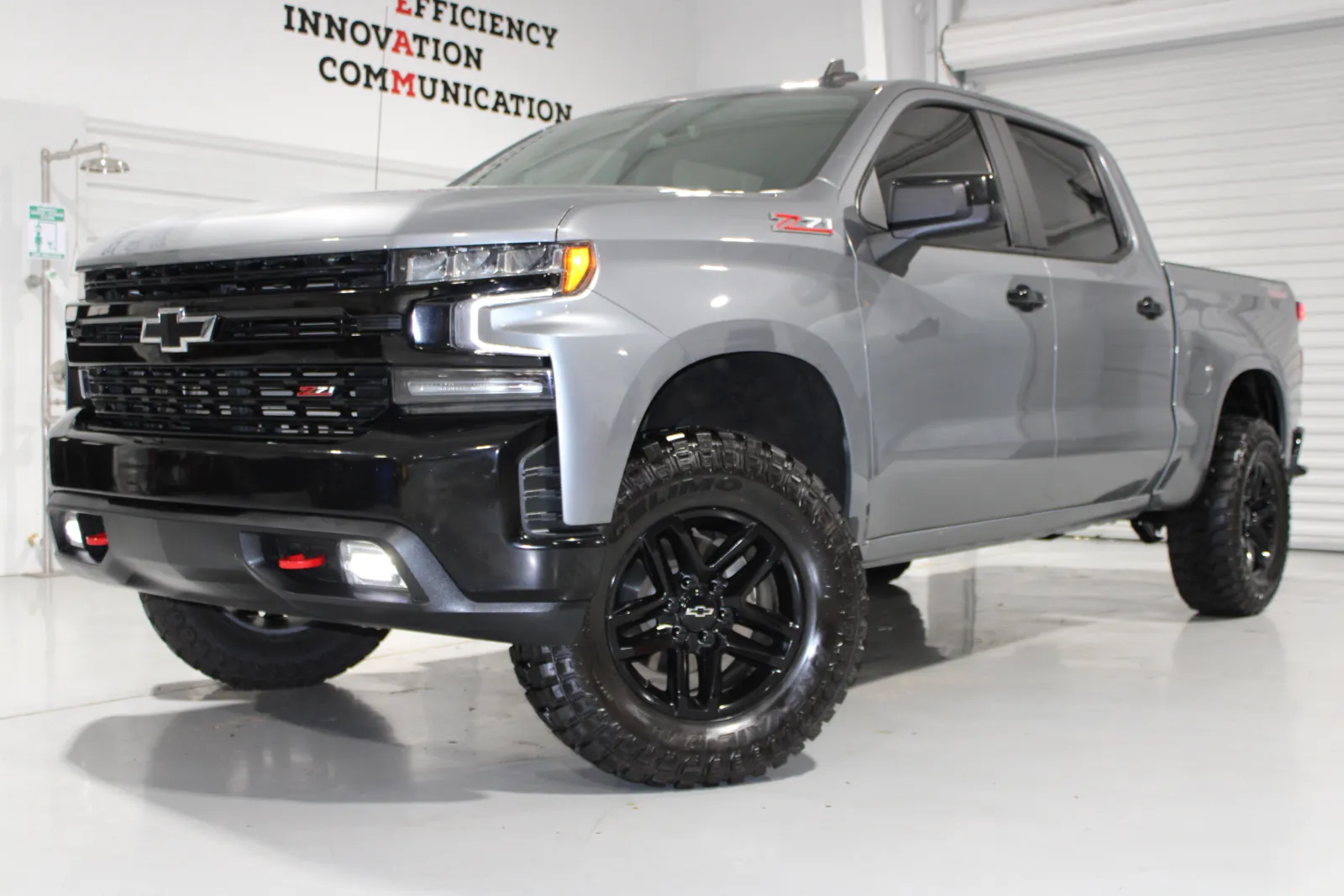
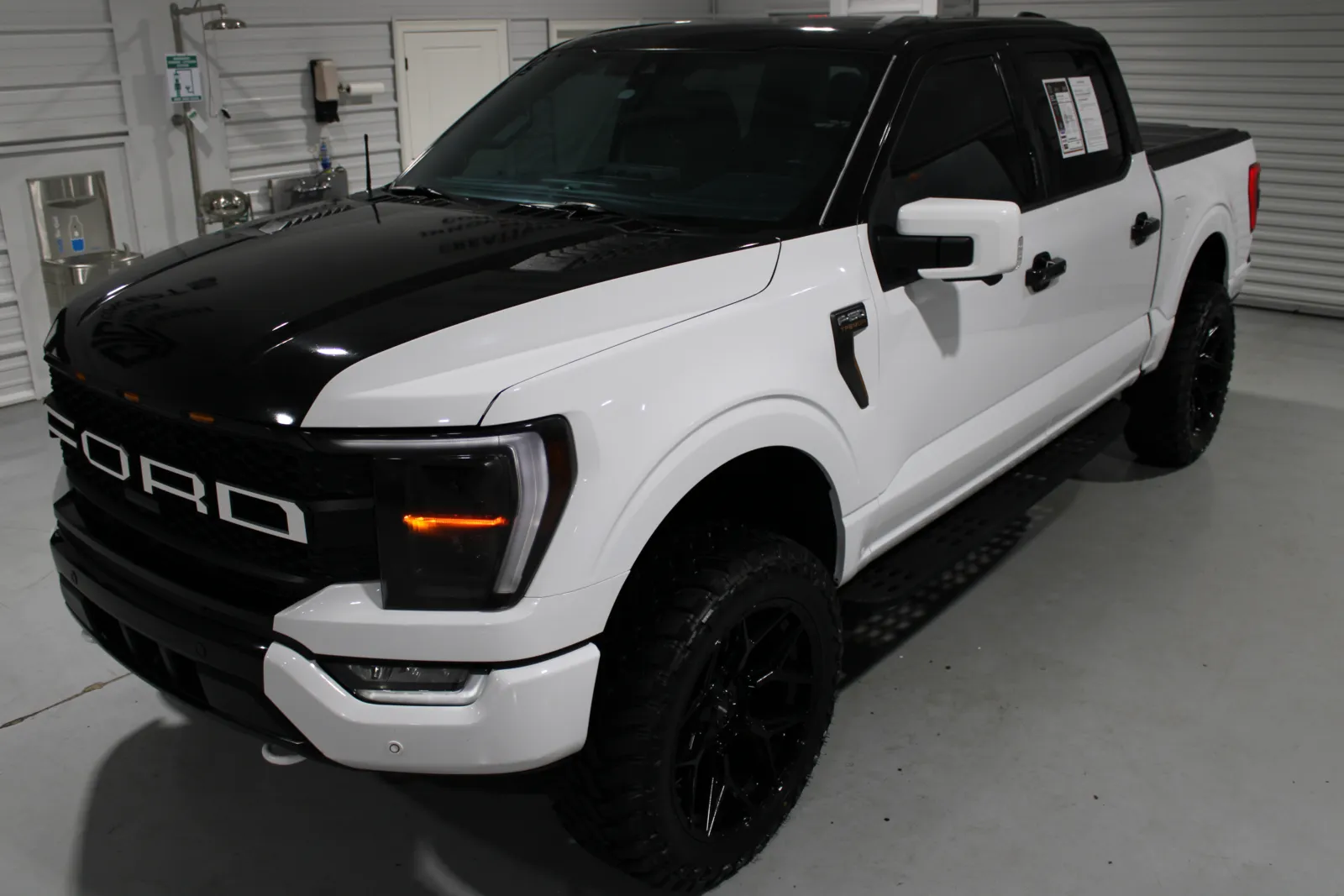
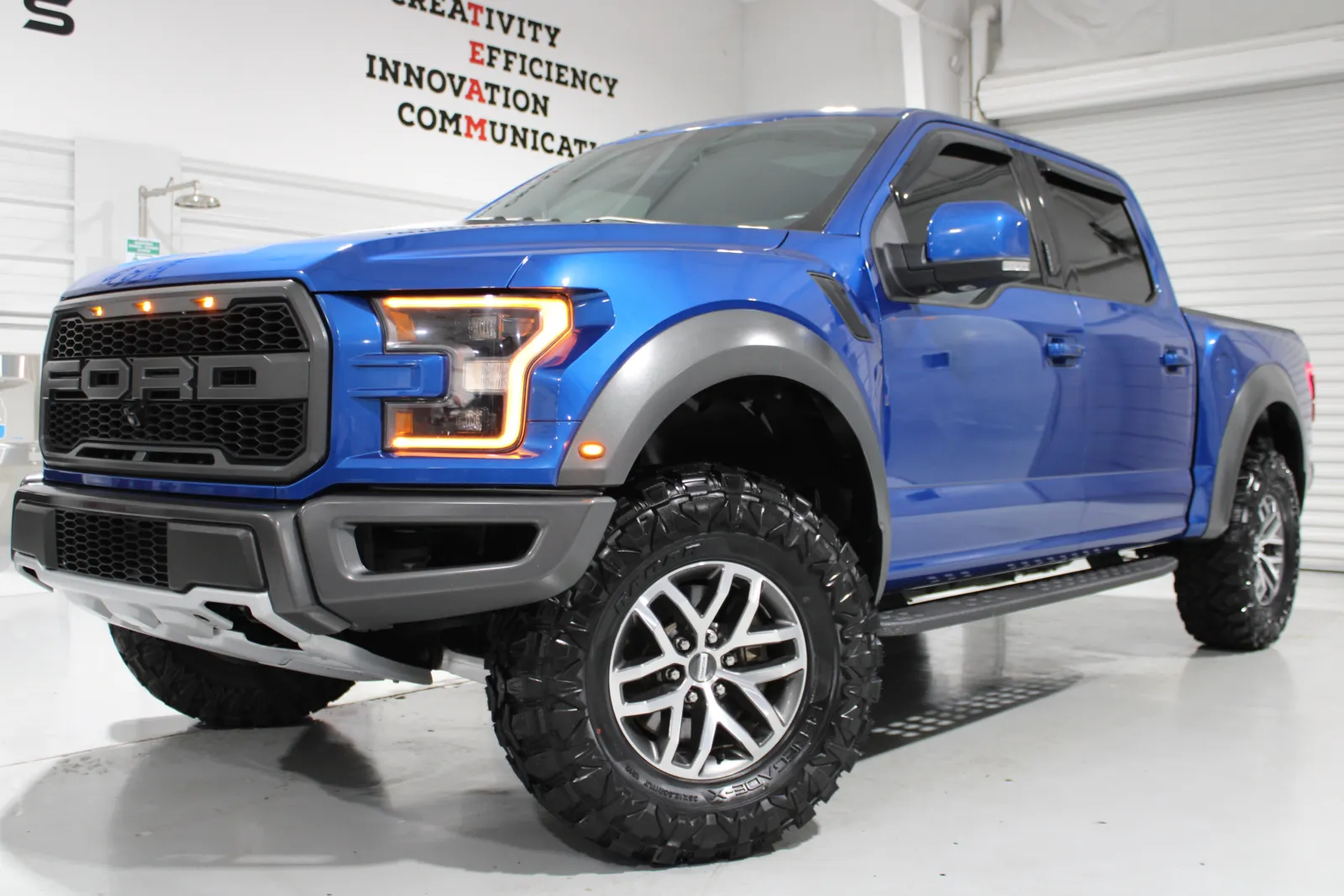
A leveling kit is designed specifically to raise the front of the truck to match the factory height of the rear.
- How it works: Depending on your truck’s suspension, this usually involves coil spacers, strut extensions, or adjusted torsion keys. It essentially "corrects" the factory rake to create a symmetrical profile.
- Typical Height: 1.5 to 2.5 inches.
- Pros: * Cost-Effective: Leveling kits are the most affordable way to change your truck's stance.
- Maintains Ride Quality: Since the rear suspension remains stock, the truck typically maintains its factory ride and handling.
- Tire Clearance: It provides enough room to clear slightly larger tires (often up to 33 inches) without the risk of rubbing against the wheel wells.
- Cons: * Limited Ground Clearance: You aren't gaining much height for serious off-roading.
The "Squat" Risk: If you level your truck and then put a heavy load in the back, the rear will sit lower than the front (often called "California Lean").
The Suspension Lift Kit

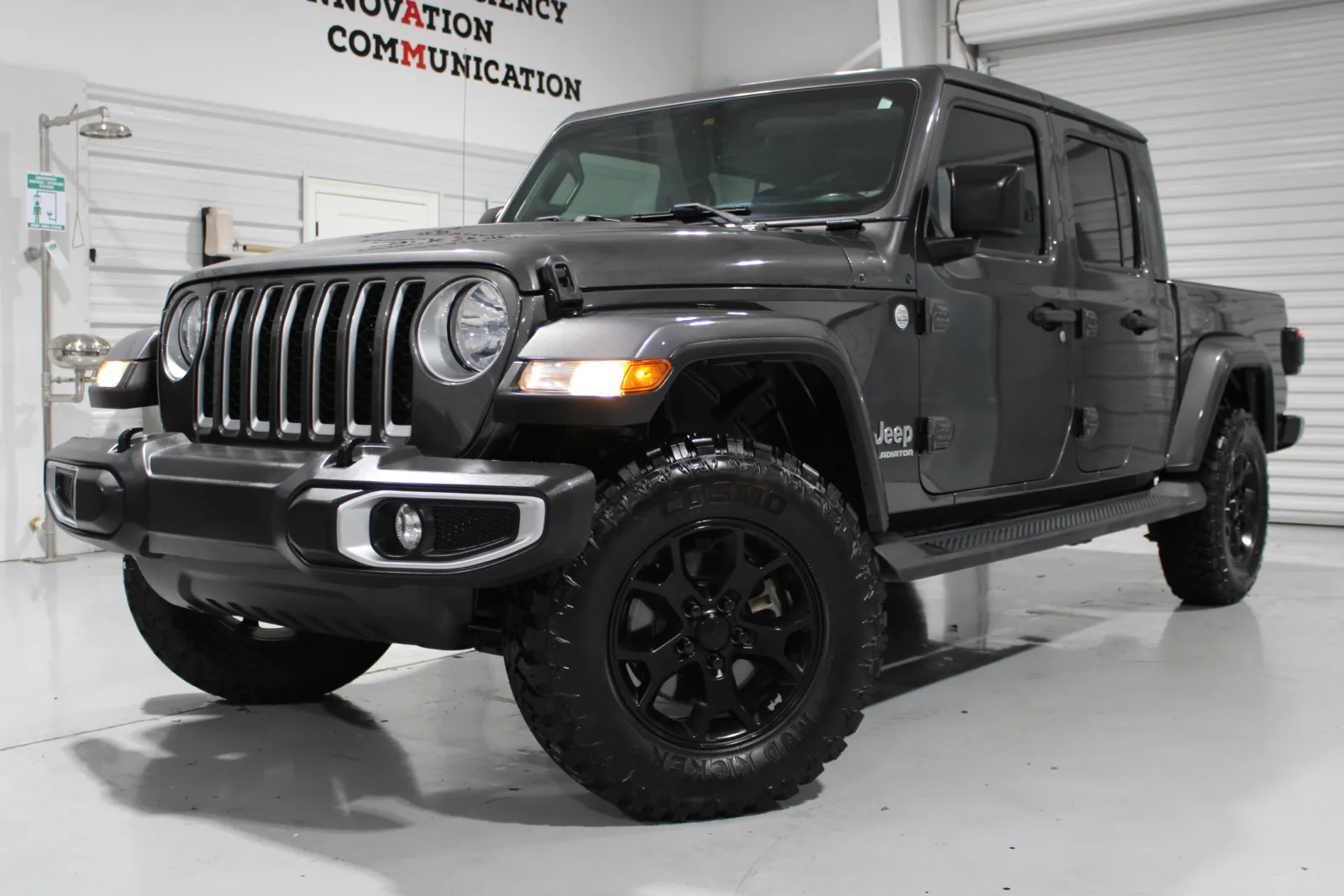
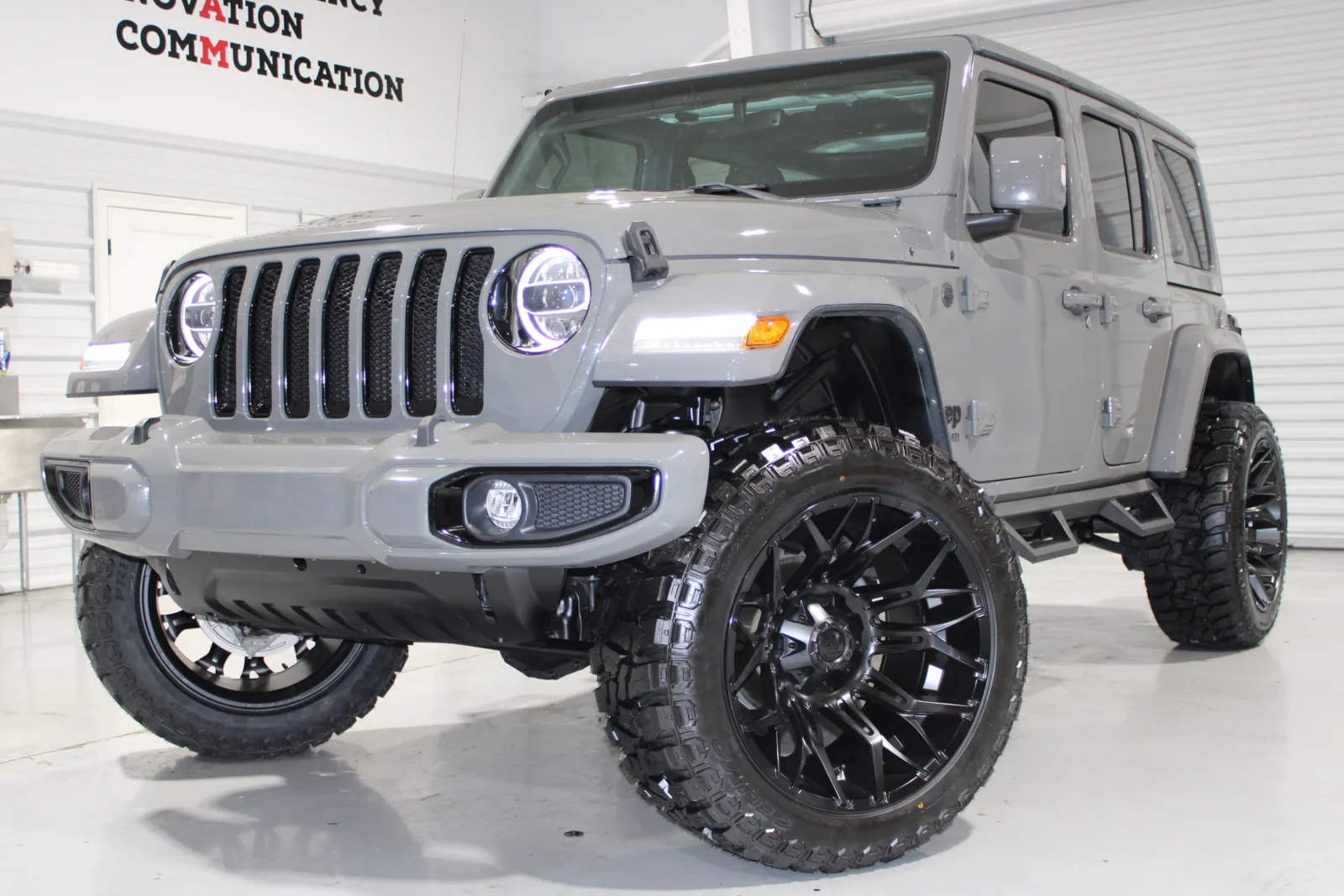
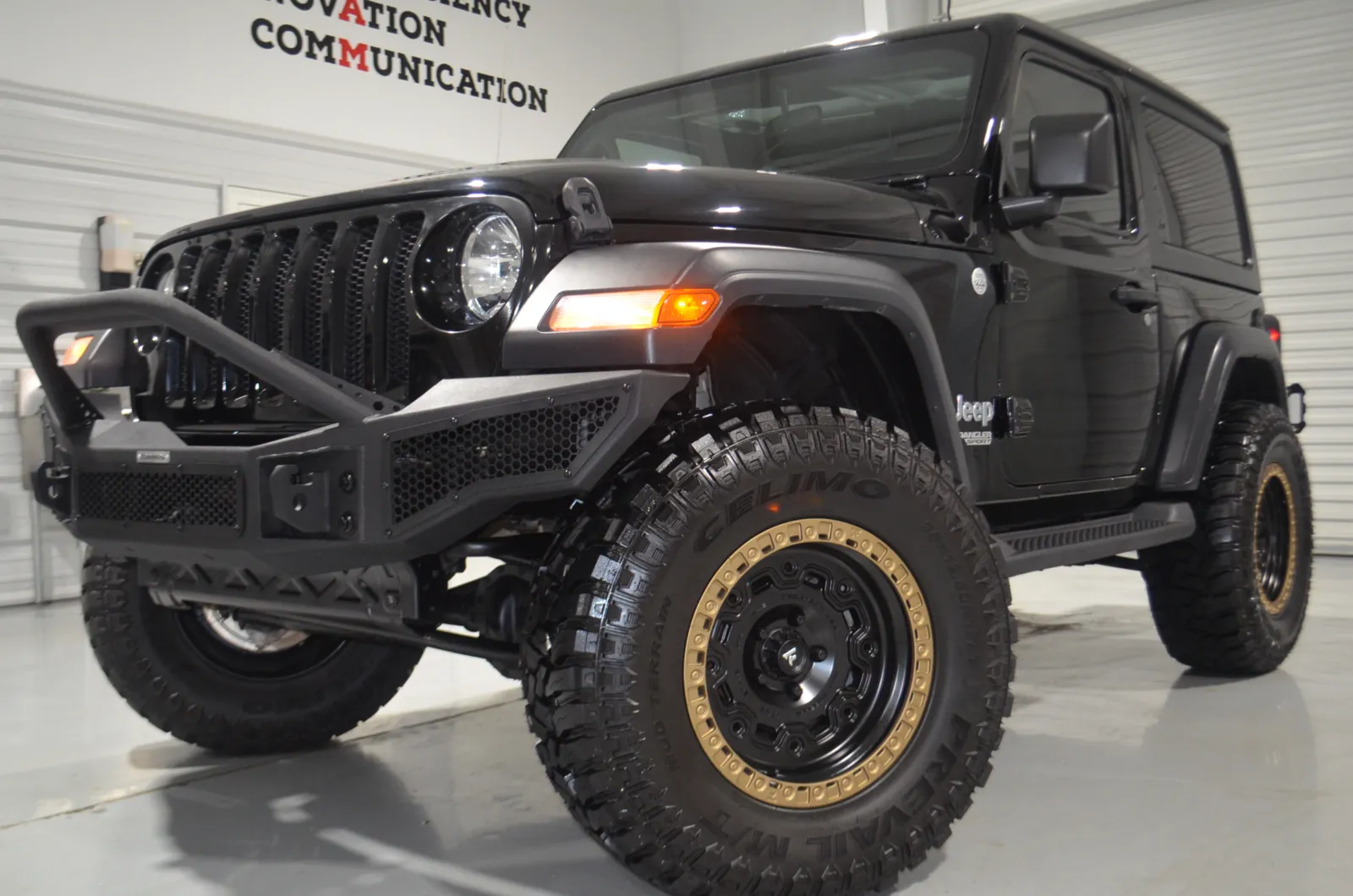
A lift kit raises both the front and the rear of the truck, increasing the overall height of the entire vehicle.
- How it works: This is a comprehensive overhaul. It often involves replacing factory shocks, springs, control arms, and sometimes requiring modifications to the drive shaft and brake lines.
- Typical Height: 3 inches to 10+ inches.
Pros:
- Maximum Ground Clearance: Essential for deep mud, rock crawling, and serious trail riding.
- Massive Tires: A standard 6-inch lift allows for 35-inch or even 37-inch tires, giving the truck an unmistakable presence.
- The "Wow" Factor: There is no substitute for the look of a professionally lifted truck.
Cons:
- Investment: Lift kits are a larger financial commitment and require professional installation to ensure proper alignment and safety.
- Fuel Economy: Increased height leads to more wind resistance, and heavier tires require more engine power to rotate.
- Access: Climbing in and out, and loading the bed, becomes more physically demanding.
Which One Should You Choose?
Before you make the call, ask yourself these three critical questions:
- What is my primary use for the truck? If it’s a daily driver used for light work and standard commuting, a leveling kit offers a great look without sacrificing comfort. If you plan to spend your weekends off the beaten path, a lift kit provides the necessary clearance.
- How much do I tow? If you tow heavy trailers frequently, a leveling kit might cause your headlights to point at the sky when under load. A lift kit can be paired with heavy-duty rear shocks or air bags to handle the weight more effectively.
- What is my tire goal? If you have your heart set on 37-inch mud-terrains, a leveling kit simply won't get you there. You’ll need a lift kit to provide the necessary wheel well clearance.
Find Your Perfect Build at Custom Truck Concepts
Deciding between a lift and a level ultimately comes down to your truck's "mission." If you want to eliminate the factory rake and fit a slightly beefier set of tires while keeping your daily drive smooth and budget-friendly, a leveling kit is your best bet. However, if you’re chasing maximum ground clearance, off-road dominance, and a commanding presence that towers over the competition, a full suspension lift is the only way to go. No matter which path you choose, the key is quality components and professional installation to ensure your truck remains safe, reliable, and ready for whatever the road, or the trail, throws your way.