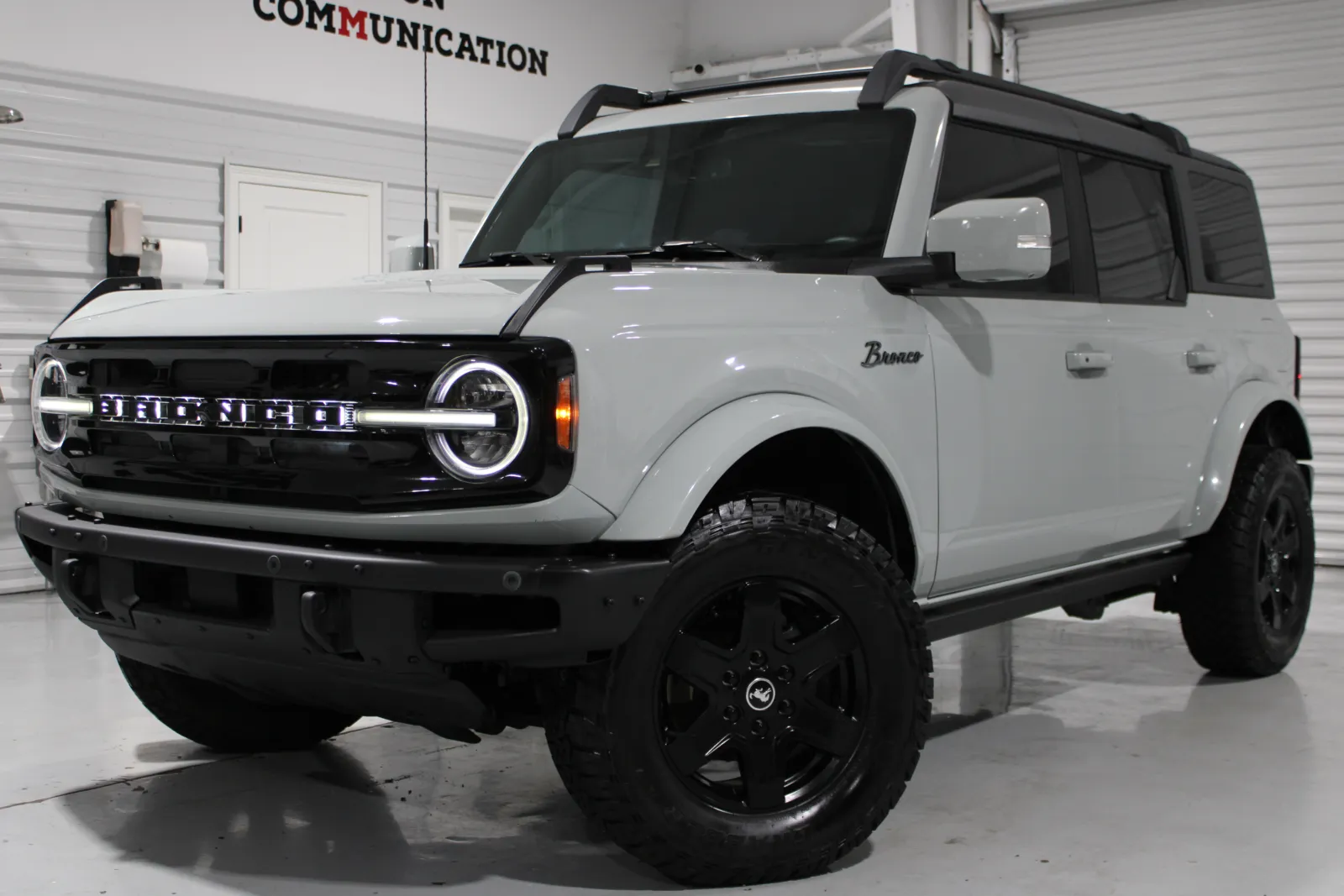
How to Maintain Your Lifted Truck in Hattiesburg, MS
Table of Contents
- 1. Inspect and Re-Torque Suspension Hardware
- 2. Monitor Steering Geometry and Get Regular Alignments
- 3. Care for Upgraded Shocks and Coilovers
- 4. Lubricate Greaseable Components Frequently
- 5. Rotate and Balance Oversized Tires
- 6. Maintain Braking and Drivetrain Systems
- Frequently Asked Questions
- How often should I check the hardware on my suspension system?
- Why does my modified vehicle drift or wander at highway speeds?
- Do larger tires affect my braking distance?
- Expert Support in the Pine Belt
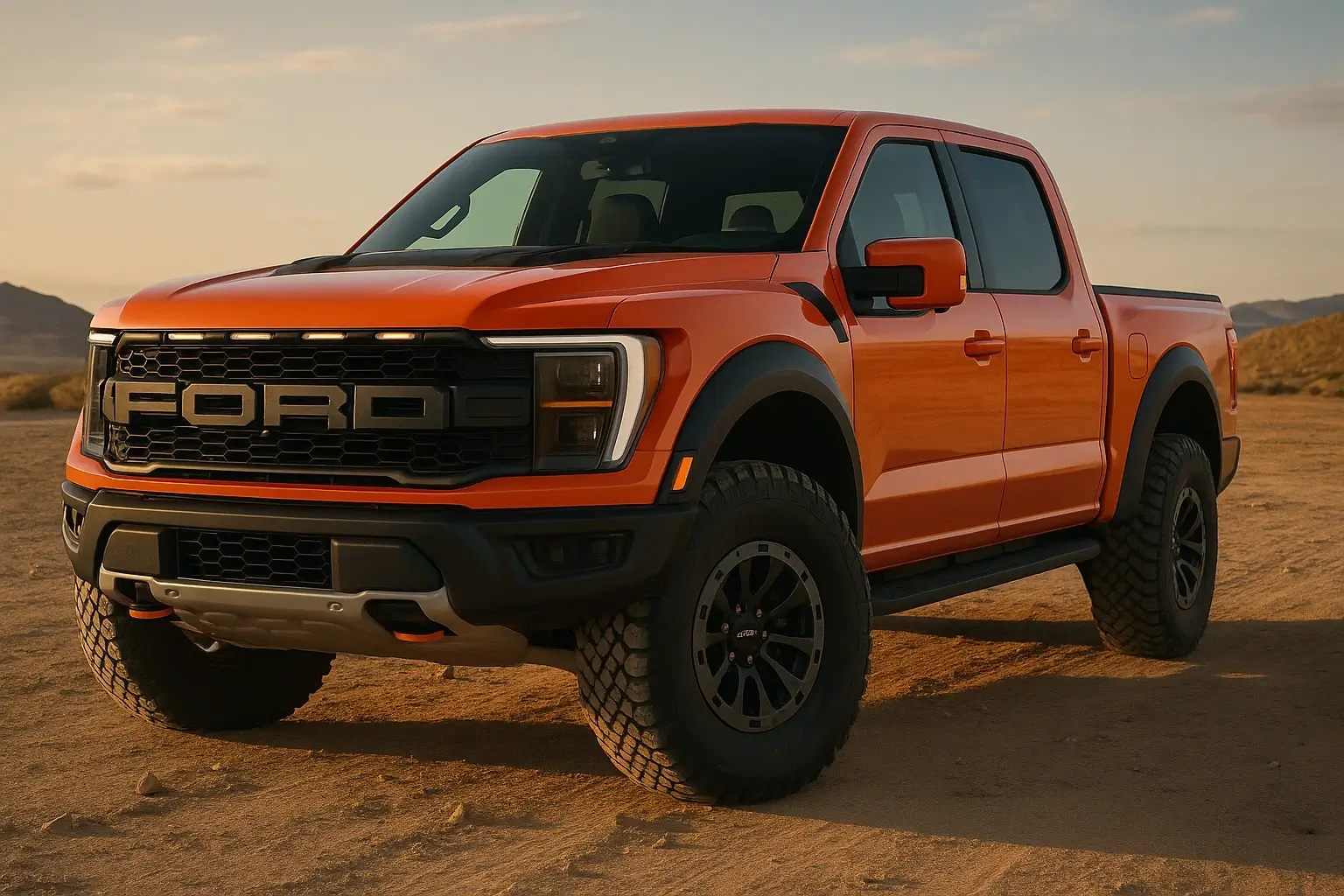
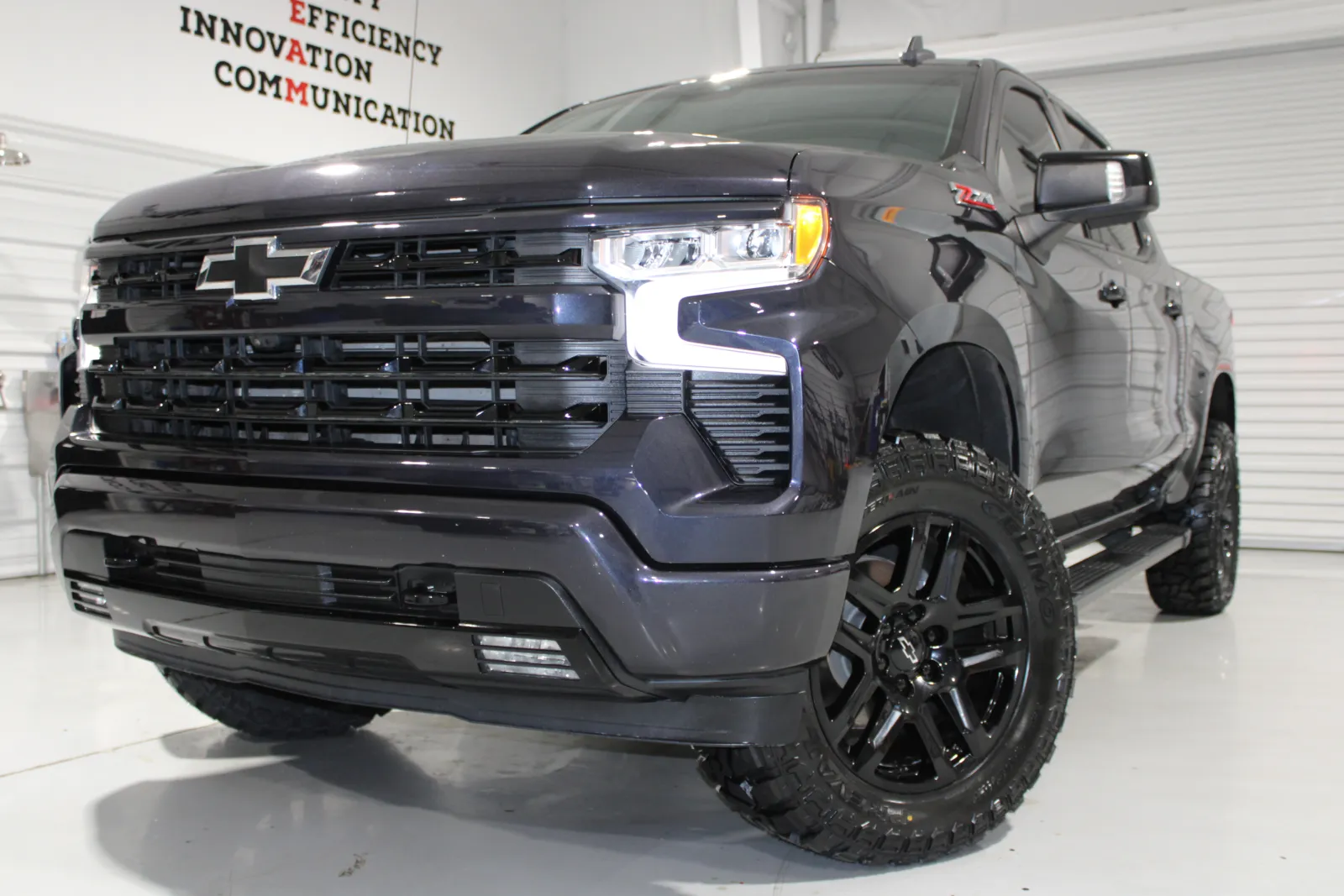
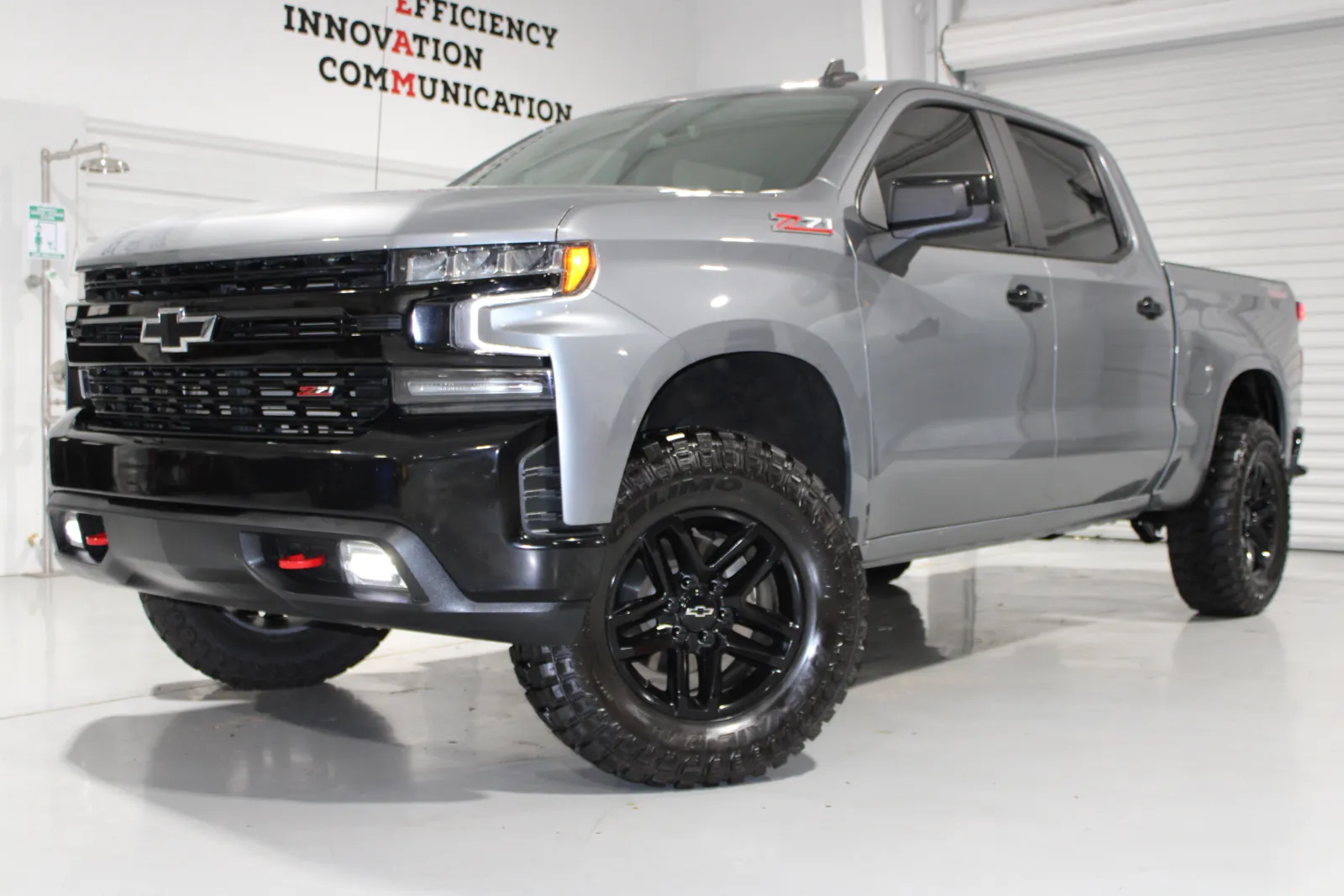
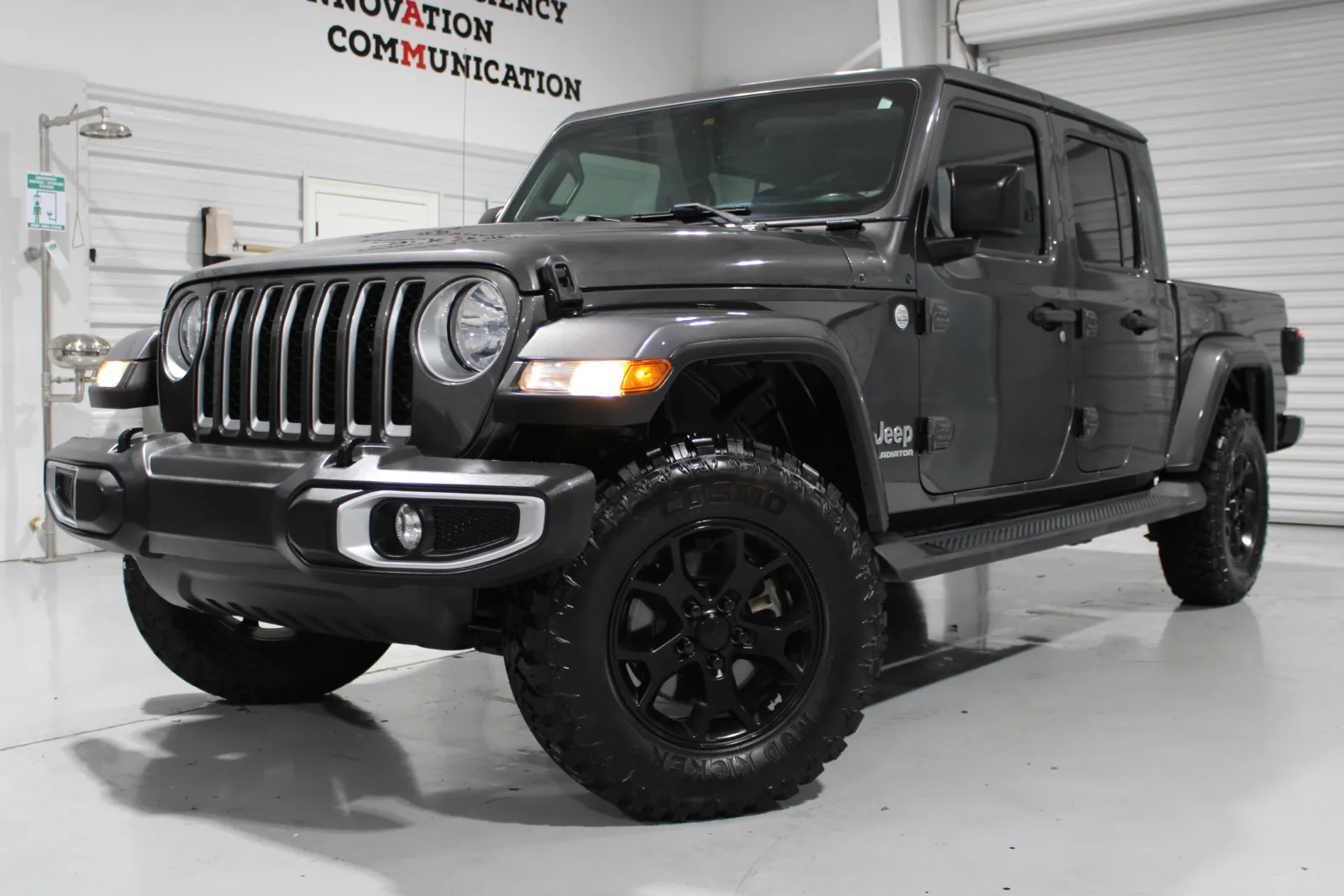
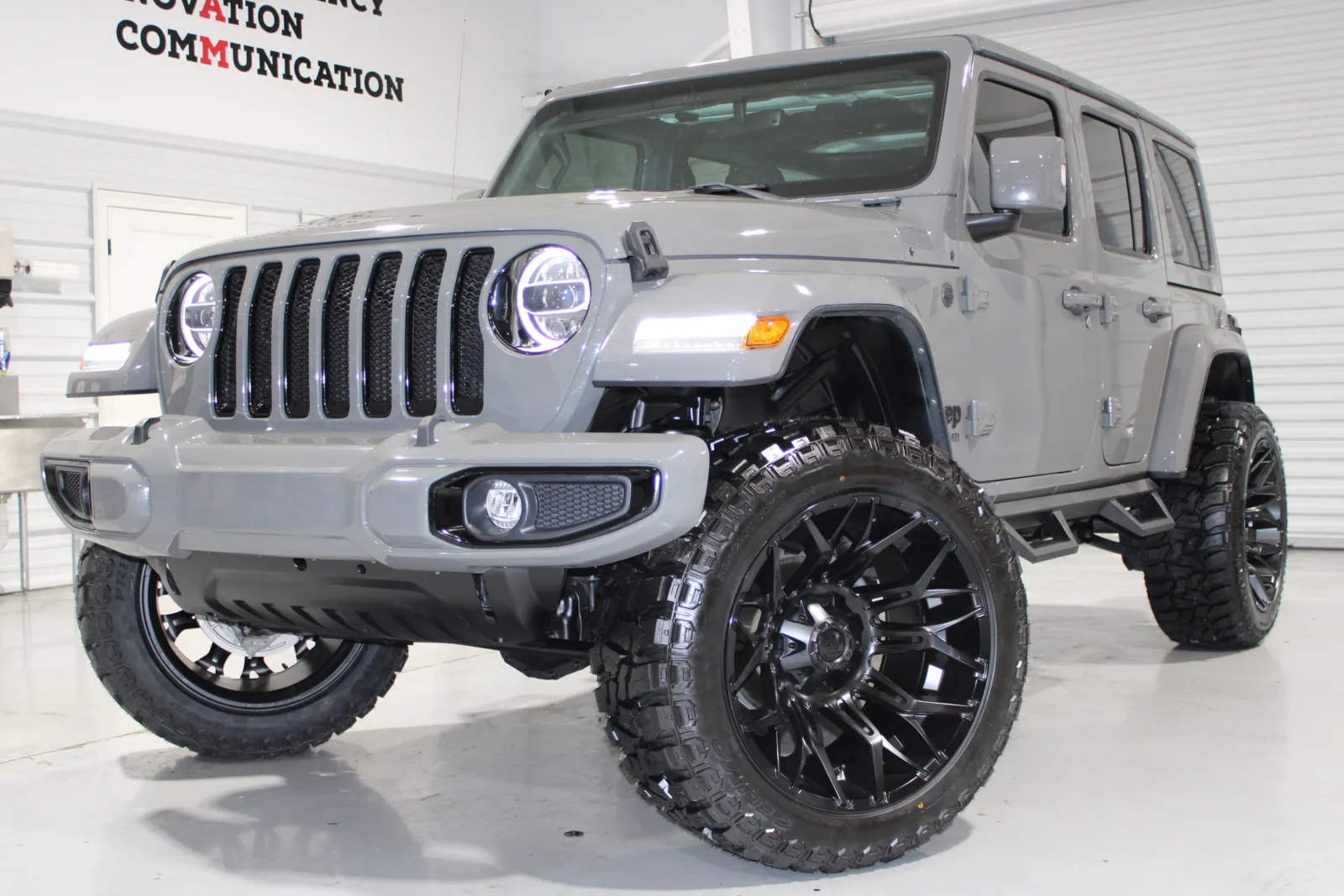
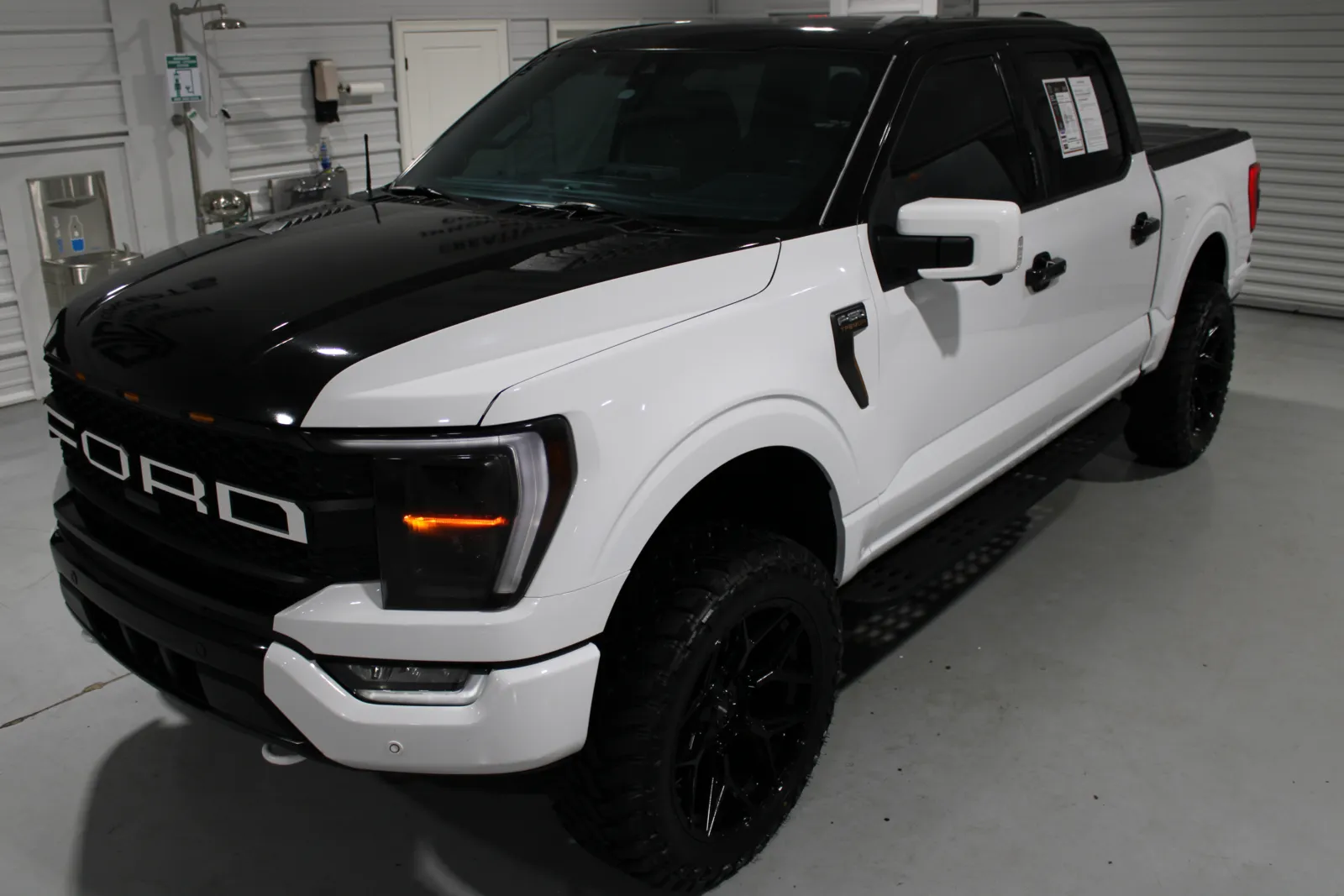
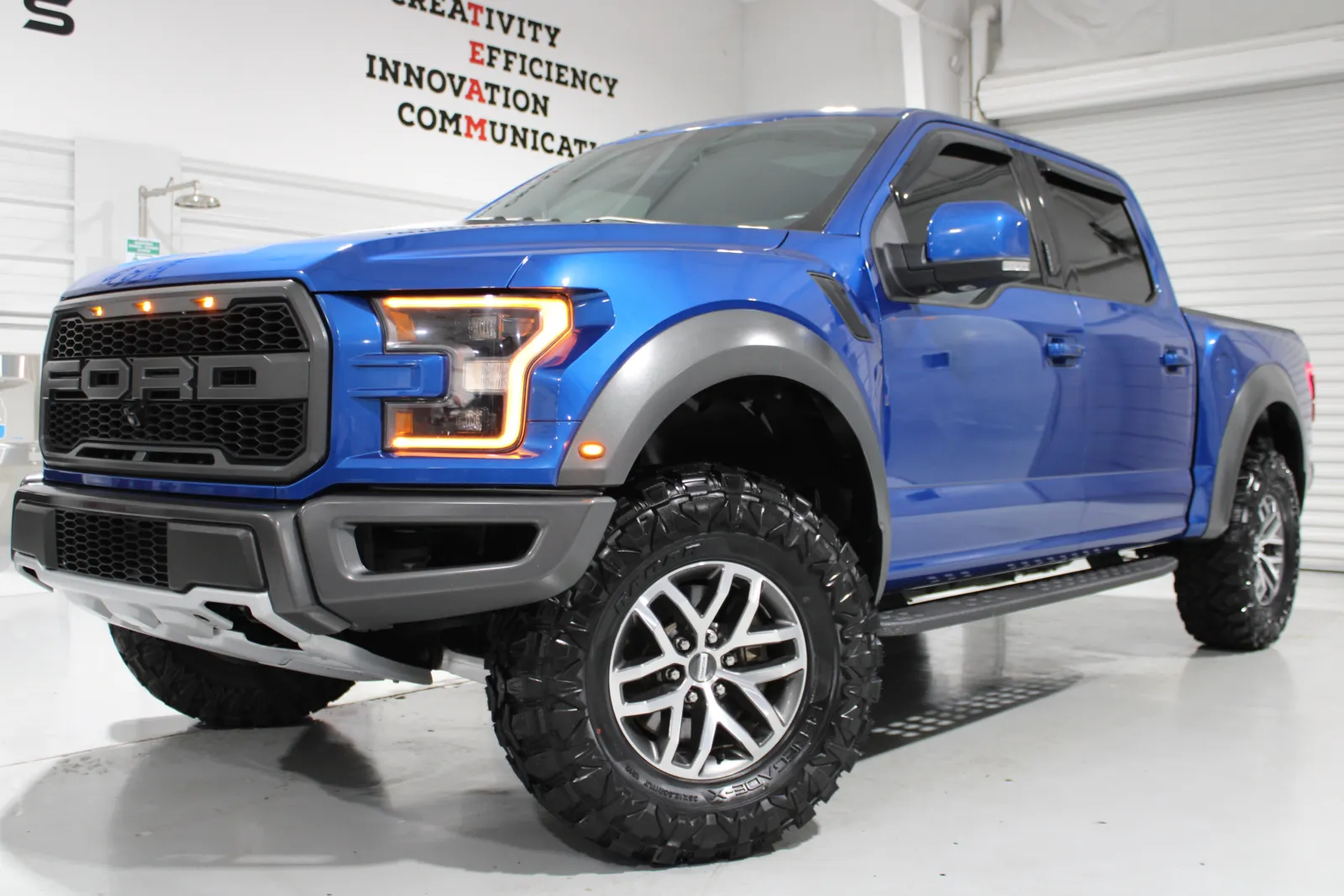
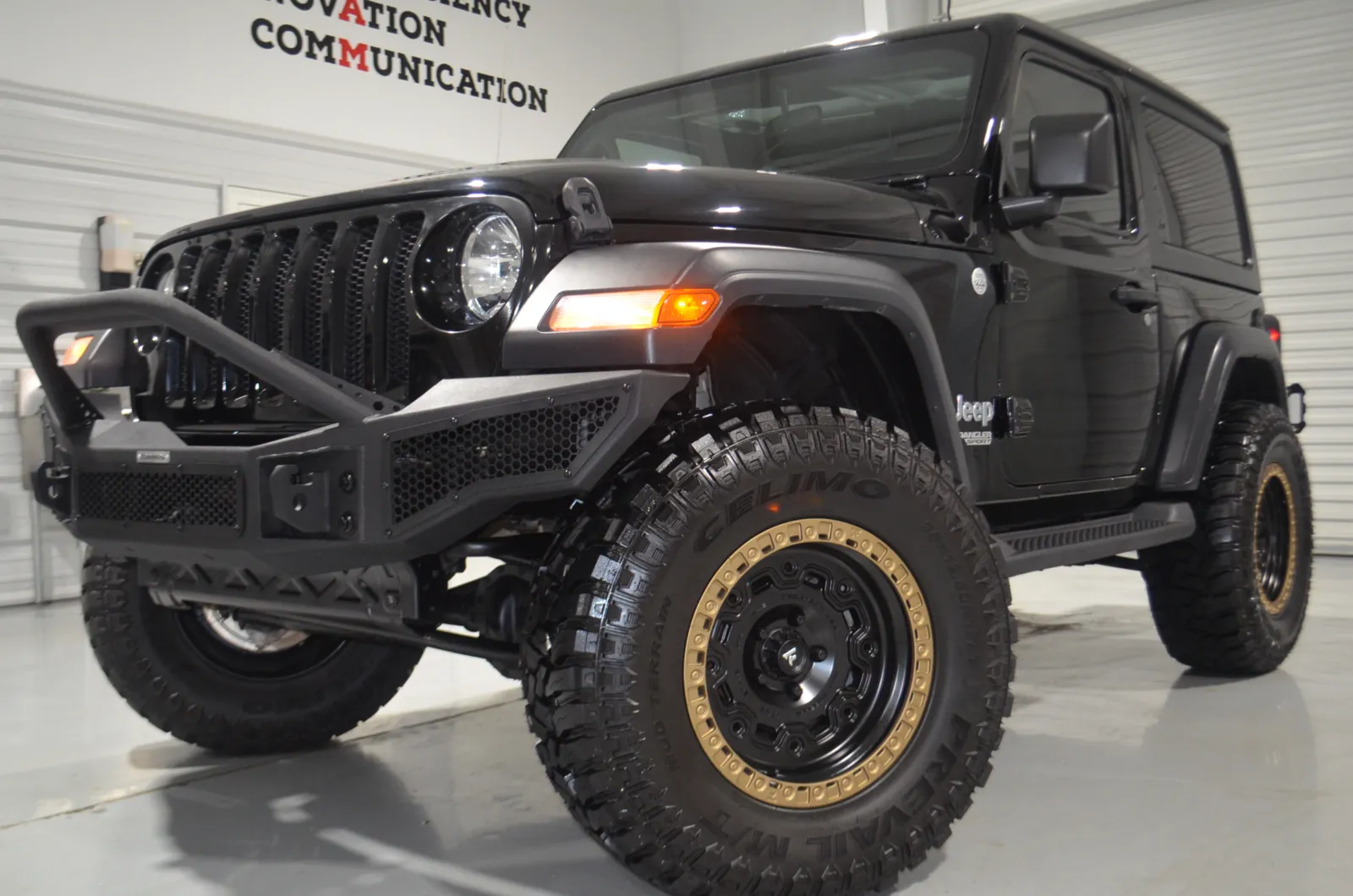
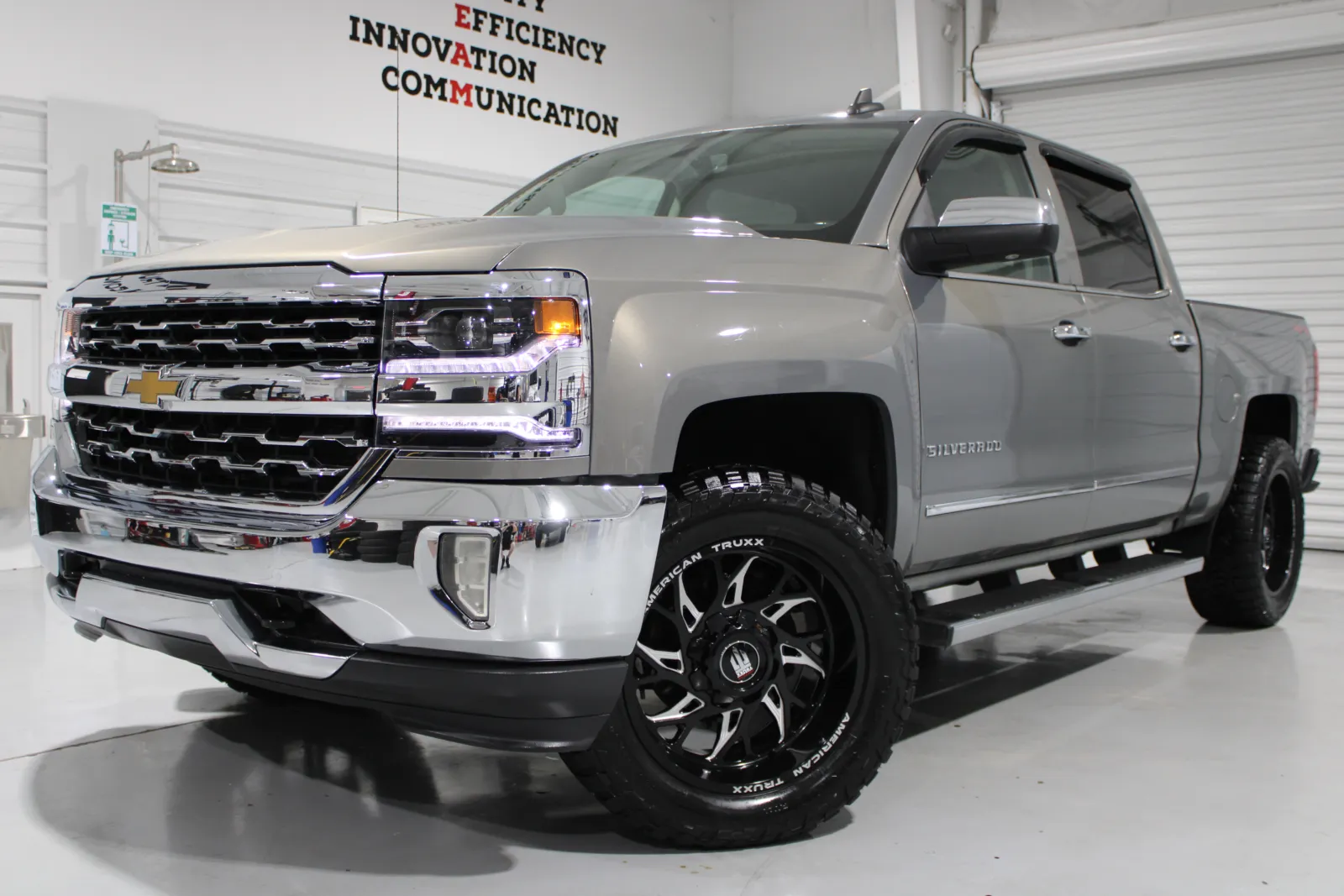
Driving a modified rig through the Pine Belt offers a commanding view of the road and unmatched off-road capability. Whether you navigate the daily commute down U.S. Highway 49 or tackle rugged weekend trails around Laurel and Petal, a modified suspension completely transforms your driving experience. However, changing your factory suspension geometry alters how your vehicle handles, steers, and wears out its components.
Owning a modified vehicle requires consistent, targeted upkeep to ensure safety, performance, and longevity. Regular maintenance preserves your investment, prevents costly repairs, and ensures your vehicle remains reliable on any terrain.
1. Inspect and Re-Torque Suspension Hardware
Adding a suspension system introduces new moving parts, brackets, and fasteners that endure significant stress. Over time, vibrations from uneven blacktop or rugged trails can cause hardware to settle or loosen.
Check all mounting fasteners shortly after installation and during routine oil changes. Pay close attention to U-bolts, control arm bolts, track bar mounts, and shock absorbers. Loose hardware causes premature bushing wear, steering instability, and structural failure under load. Use a calibrated torque wrench to verify every fastener meets the manufacturer's exact specifications.
2. Monitor Steering Geometry and Get Regular Alignments
Altering vehicle height directly impacts your steering linkages and axle position. Components like control arms, sway bars, and tie rods operate at steeper angles than factory configurations, increasing wear on ball joints and tie rod ends.
Schedule a specialized alignment whenever you notice uneven tire wear, steering wheel off-center conditions, or lane drifting. Modified vehicles require precise adjustments that standard factory specifications do not cover. Regular alignment checks keep your vehicle traveling straight, minimize component stress, and protect your expensive off-road tires from premature wear. You can schedule your service appointment with our specialized team to ensure your steering geometry remains perfectly calibrated.
3. Care for Upgraded Shocks and Coilovers
Your shock absorbers manage vehicle weight changes and dampen harsh impacts. Premium suspension components endure demanding conditions and require regular inspection.
Inspect your shock absorbers or adjustable coilovers frequently for signs of fluid leaks, cracked rubber bushings, or physical pitting along the shafts. Wipe away accumulated salt, mud, and road grime from the shock bodies to prevent premature seal failure. If your vehicle uses rebuildable performance shocks, follow the manufacturer's recommended service intervals to refresh internal oil and seals before damping performance degrades.
4. Lubricate Greaseable Components Frequently
Many aftermarket suspension components feature greaseable polyurethane bushings or heavy-duty ball joints designed for maximum articulation. Unlike sealed factory parts, these components require manual lubrication to function smoothly and prevent binding.
Locate all grease fittings on your control arms, sway bar links, and drive shafts. Apply a high-quality marine-grade or synthetic chassis grease every few months or immediately after traversing deep water or muddy trails. Regular lubrication flushes out trapped contaminants, eliminates annoying suspension squeaks, and prevents metal-on-metal friction.
5. Rotate and Balance Oversized Tires
Larger all-terrain or mud-terrain tires feature aggressive tread blocks that wear unevenly if left in one position too long. Their heavy mass increases rotational forces, making proper balance essential for ride comfort.
Rotate your tires every 3,000 to 5,000 miles to promote even tread wear across all four corners. Request a dynamic balance during rotation to prevent high-speed vibrations that damage wheel bearings and steering components. Maintain proper tire inflation based on your vehicle's modified weight distribution, checking pressures regularly to avoid accelerated center or shoulder wear.
6. Maintain Braking and Drivetrain Systems
Larger rolling stock increases the total mass your vehicle must accelerate and stop. This added burden places extra strain on your braking system and alters your driveshaft operating angles.
Inspect your brake pads and rotors regularly for signs of excessive heat buildup or accelerated wear. Check your driveshaft u-joints and carrier bearings for play or fluid leakage caused by steeper operating angles. If your vehicle experiences frequent heavy towing or intense trail use around Oak Grove or Purvis, check your differential fluid levels to ensure your gears remain fully protected.
Frequently Asked Questions
How often should I check the hardware on my suspension system?
You should visually inspect and re-torque all suspension fasteners roughly 500 miles after initial installation. Following that initial period, check the hardware during every routine oil change or after returning from demanding off-road trips.
Why does my modified vehicle drift or wander at highway speeds?
Highway drifting or steering wander typically points to incorrect alignment, worn steering stabilizers, or loose track bar mounts. Modified suspension setups alter factory steering geometry, making regular specialist alignments essential to maintain stability.
Do larger tires affect my braking distance?
Yes, larger off-road tires increase rotational mass, which requires more effort from your braking system to slow down. Monitor your brake pads closely and consider upgrading to heavy-duty pads and slotted rotors if you notice stopping performance decreasing.
Expert Support in the Pine Belt
Proper upkeep keeps your custom vehicle safe, capable, and ready for any adventure. If you notice unusual noises, steering vibrations, or uneven tire wear, professional diagnostic support can resolve the issue before it leads to part failure.
Our certified technicians specialize in handling the complex suspension geometry of customized trucks. We work directly with trusted industry names like Rough Country, BDS Suspension, Bilstein, Fox, Fuel Off-Road, and Nitto to keep your vehicle operating flawlessly. Contact us today or visit our showroom in Hattiesburg to keep your custom build running smoothly on Mississippi roads.